Your air conditioner is one of the hardest-working appliances in your home, especially if you live in a warm climate. But how long can you expect it to keep running before it needs to be replaced? Understanding your AC unit’s expected lifespan can help you plan ahead, budget for a replacement, and avoid being caught off guard during a heat wave.
Quick Answer: How Long Does an AC Unit Last?
The average central air conditioning unit lasts 15 to 20 years with proper maintenance. However, the actual lifespan depends heavily on factors like climate, usage patterns, maintenance history, and the quality of installation. In Central Texas specifically, the long cooling season and 100°F+ duty cycles push most well-maintained systems toward the lower end of that range — realistically 12–17 years; see How Long Does an AC Unit Last in Texas? for the local breakdown.
Here is a breakdown by AC type:
| AC Type | Average Lifespan |
|---|---|
| Central Air Conditioner | 15–20 years |
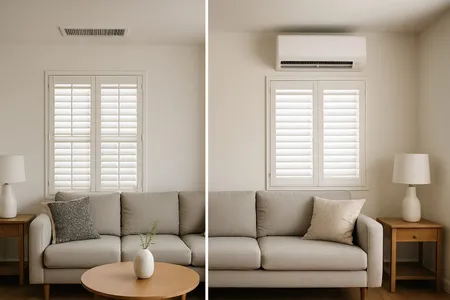
| Ductless Mini-Split | 15–20 years |
| Heat Pump (cooling mode) | 10–15 years |
| Window Unit | 8–10 years |
| Portable AC | 5–10 years |
Units in coastal areas exposed to salt air may only last 7 to 12 years, while systems in milder climates with moderate use can push past the 20-year mark.
AC Lifespan by Brand
Not all air conditioners are built the same. Brand reputation, build quality, and component materials all affect how long your system will last.
| Brand | Expected Lifespan | Warranty Coverage |
|---|---|---|
| Trane | 15–25 years | 10-year limited |
| Carrier | 15–25 years | 10-year limited |
| Lennox | 15–20 years | 10-year limited |
| Rheem | 15–20 years | 10-year limited |
| Goodman | 12–17 years | 10-year limited |
| York | 15–20 years | 10-year limited |
| Amana | 15–20 years | Lifetime compressor |
| Daikin | 15–20 years | 12-year limited |
Keep in mind that brand alone does not determine lifespan. A lower-cost unit that is properly installed and regularly maintained can outlast a premium system that is neglected.
7 Factors That Affect AC Lifespan
1. Climate and Usage
Air conditioners in hot climates like Texas, Arizona, and Florida run significantly more hours per year than those in cooler regions. An AC unit that runs 2,000+ hours per year will wear out faster than one running 1,000 hours. In Central Texas, where temperatures regularly exceed 100 degrees in summer, expect your unit to work harder and potentially have a shorter lifespan.
2. Installation Quality
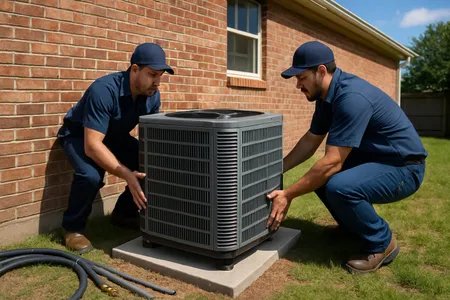
Improper installation is one of the leading causes of premature AC failure. An oversized or undersized unit, incorrect refrigerant charge, or poorly sealed ductwork can reduce efficiency and shorten the system’s life by years. Always use a licensed HVAC contractor for installation.
3. Maintenance Frequency
According to the Department of Energy, well-maintained air conditioners use 15 to 25 percent less energy than neglected ones. Regular maintenance also catches small problems before they become expensive failures. Annual professional tune-ups and regular filter changes are the two most impactful steps you can take.
4. Air Filter Changes
A clogged air filter forces your AC to work harder, increasing strain on the blower motor and compressor. Change your filter every 30 to 90 days depending on your household. Homes with pets, allergies, or high dust levels should change filters monthly.
5. Refrigerant Levels
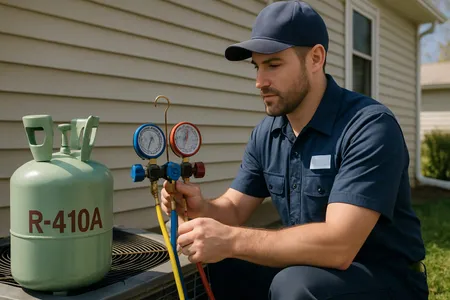
Low refrigerant due to leaks forces the compressor to work harder and can eventually cause it to burn out. Refrigerant levels should be checked during annual maintenance visits.
6. Thermostat Settings
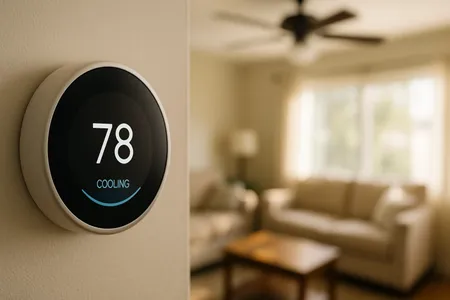
Setting your thermostat too low puts excessive strain on your system. The Department of Energy recommends setting your thermostat to 78 degrees when you are home in summer. Every degree below 78 increases energy consumption by approximately 3 to 4 percent.
7. Surrounding Environment
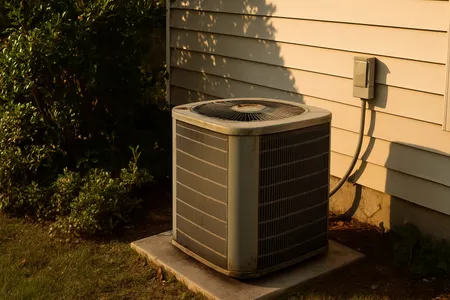
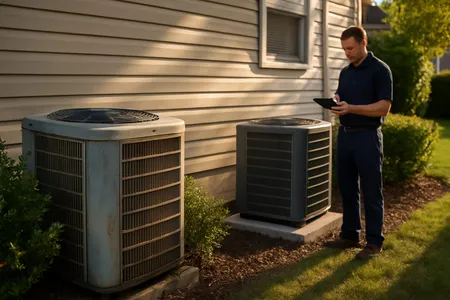
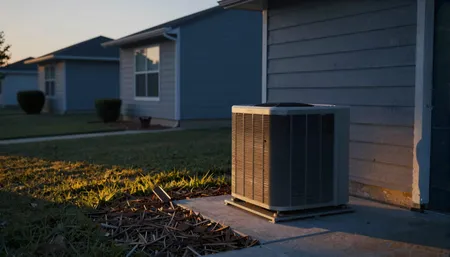
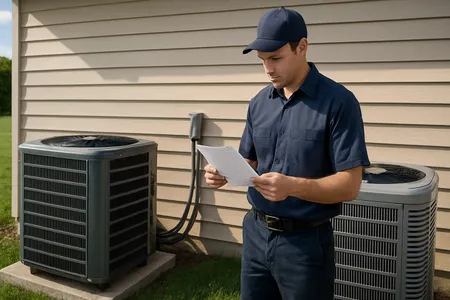
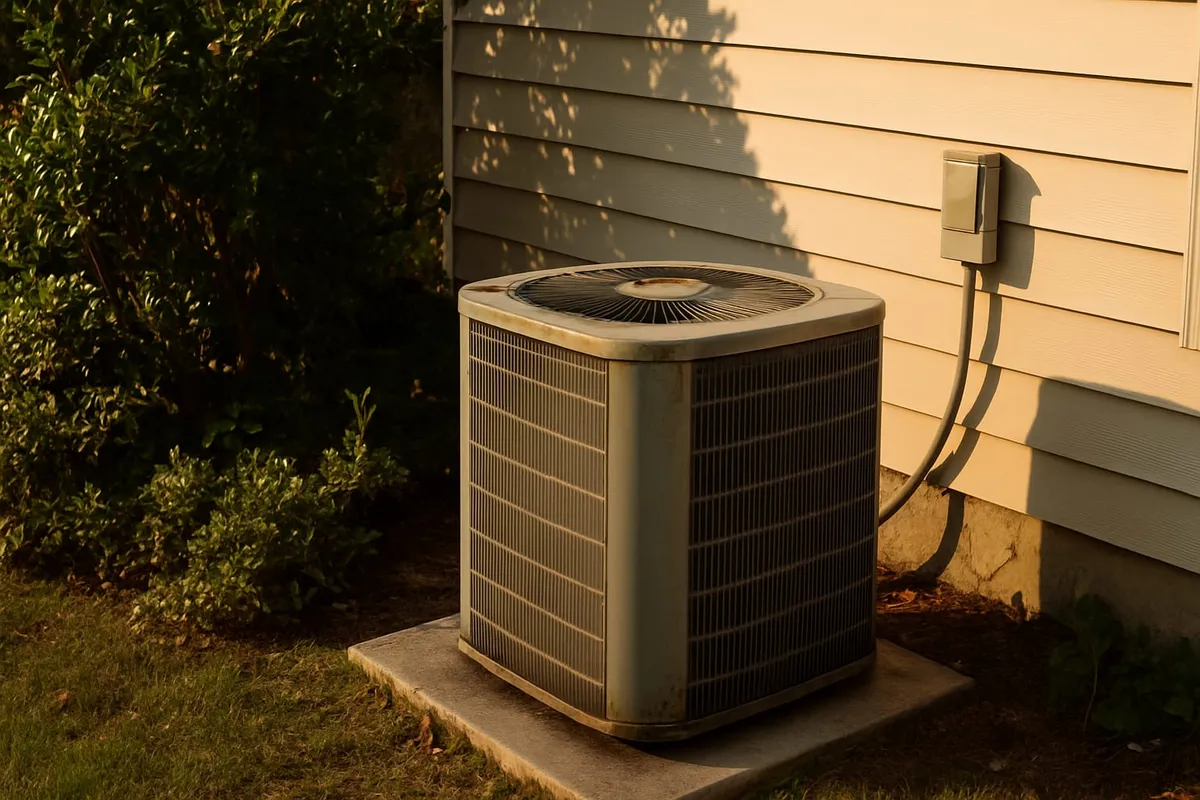
Debris, vegetation, and obstructions around the outdoor condenser unit restrict airflow and reduce efficiency. Maintain at least two feet of clearance around the unit and keep it free from leaves, grass clippings, and dirt.
8 Warning Signs Your AC Is Failing
If your AC unit is approaching the end of its lifespan, watch for these warning signs:
1. Rising Energy Bills
A sudden increase in your electricity bill without a change in usage patterns often indicates your AC is losing efficiency. As components wear down, the system requires more energy to produce the same cooling output.
2. Frequent Repairs
If you are calling for repairs more than once or twice per year, your system is telling you something. The costs add up quickly, and frequent breakdowns indicate widespread component wear.
3. Uneven Cooling
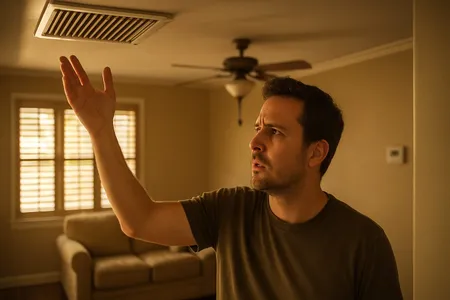
Hot spots or temperature inconsistencies throughout your home suggest your AC can no longer distribute cooled air effectively. This could indicate failing ductwork, a worn blower motor, or a compressor that is losing capacity.
4. Strange Noises
Grinding, squealing, banging, or rattling noises are not normal. These sounds can indicate a failing motor bearing, loose components, a deteriorating compressor, or debris caught in the system.
5. Unusual Odors
Musty smells can indicate mold growth in the ductwork or on the evaporator coil. A burning smell may signal an electrical problem. Either warrants immediate professional attention.
6. Excessive Humidity
Your AC should remove humidity from the air as it cools. If your home feels clammy or humid even when the system is running, the unit may no longer be dehumidifying properly.
7. Short Cycling
If your AC turns on and off frequently without completing a full cooling cycle, it may be overheating, have a refrigerant leak, or suffer from an electrical issue. Short cycling puts tremendous stress on the compressor.
8. Using R-22 Refrigerant
If your system still uses R-22 (Freon), which was phased out of production in 2020, it is time to plan a replacement. R-22 is increasingly expensive and difficult to find, making repairs cost-prohibitive.
Maintenance Tips to Extend Your AC’s Life
Follow these six practices to maximize the lifespan of your air conditioner:
-
Change the air filter regularly. Replace disposable filters every 30 to 90 days. This single step prevents the majority of common AC problems.
-
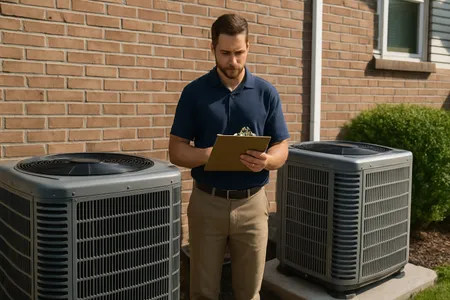
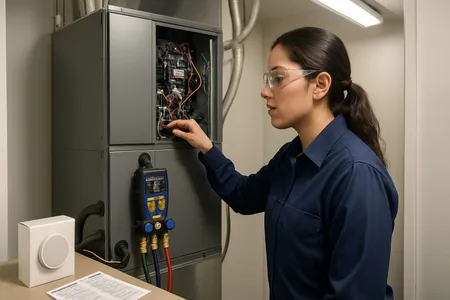
Schedule annual professional maintenance. A yearly tune-up includes refrigerant level checks, electrical connection inspections, coil cleaning, and calibration of the thermostat. Visit our maintenance page to schedule service.
-
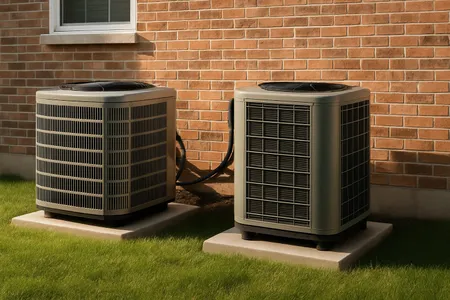
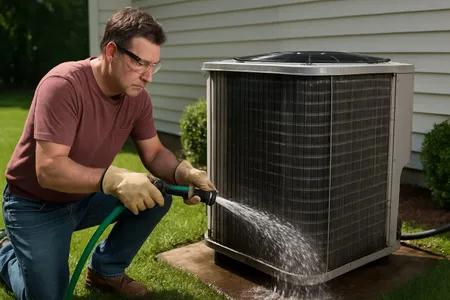
Keep the outdoor unit clean. Remove leaves, grass clippings, and debris from around the condenser. Trim vegetation to maintain at least two feet of clearance on all sides.
-
Clean the condensate drain line. Flush the drain line with a cup of white vinegar or bleach every few months to prevent clogs that can cause water damage and system shutdowns.
-
Seal and insulate your ductwork. Leaky ducts can reduce efficiency by 20 to 30 percent. Have a professional inspect and seal your ductwork if you notice uneven cooling.
-
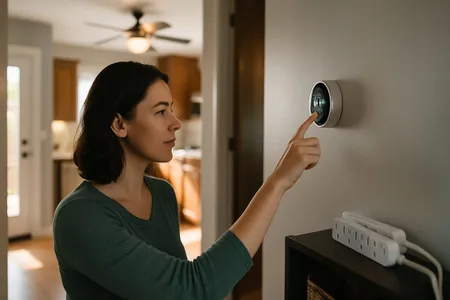
Install a programmable or smart thermostat. Reducing the workload on your AC when you are away or asleep extends its life and saves energy. Check out our thermostat savings calculator to see how much you could save.
Repair vs. Replace: Making the Right Decision
Use these guidelines to determine whether it makes more sense to repair or replace your AC:
The 50% Rule
If a repair costs more than 50 percent of the price of a new unit, replacement is usually the better investment.
The Age-vs-Repair-Cost Rule
Multiply the age of your unit, in years, by the cost of the repair. The higher that number climbs, the more it favors replacing rather than repairing — an older unit facing an expensive repair is the clearest case for replacement. A technician can run this comparison for your specific unit once they’ve quoted the repair.
The Age Factor
- Under 10 years old: Repair is usually worthwhile unless the issue is a compressor failure.
- 10 to 15 years old: Weigh the repair cost against efficiency gains from a new system.
- Over 15 years old: Replacement is generally recommended, especially if repairs are becoming frequent.
Efficiency Gains
Modern AC units are significantly more efficient than those built 10 to 15 years ago. A new ENERGY STAR certified system can reduce cooling costs by 20 to 40 percent compared to an older unit. The federal tax credit expired December 31, 2025, but see our 2026 tax credits guide for rebates that are still available.
Use our Repair or Replace Calculator to get a personalized recommendation, or decode your unit’s age with our HVAC Age Decoder.
Frequently Asked Questions
Can an AC unit last 30 years?
While rare, some well-maintained central air conditioners have lasted 25 to 30 years. However, units older than 20 years are typically far less efficient than modern systems, and replacement often pays for itself through energy savings within a few years.
How do I know the age of my AC unit?
Check the manufacturer’s label on the outdoor condenser unit. The serial number typically contains the manufacture date. Our HVAC Age Decoder tool can help you determine the exact age from the serial number.
Does running my AC constantly shorten its lifespan?
Constantly running at full capacity does increase wear on components. Using a programmable thermostat to reduce runtime when you are away or sleeping significantly reduces total operating hours over the system’s lifetime.
Is it worth repairing a 15-year-old AC?
It depends on the repair. Minor fixes like a capacitor or contactor replacement are usually worthwhile. Major repairs like a compressor or evaporator coil replacement on a 15-year-old unit rarely make financial sense when compared to the cost and efficiency benefits of a new system.
How much does a new AC unit cost?
It depends on the size of your home, the efficiency rating you choose, and the brand — high-efficiency or variable-speed systems cost more upfront than standard ones. Texas Temp Masters gives a written, itemized quote after an on-site look at your home; these prices may vary case by case.
Need help determining if your AC unit needs repair or replacement? Use our Repair or Replace Calculator for a personalized recommendation. In Central Texas? Texas Temp Masters offers expert air conditioning service with upfront pricing and licensed technicians. Call (817) 704-0706 to schedule an assessment.
Next Steps
Figure out where your system stands and what comes next:
- Decode your unit’s age — Enter your serial number into our HVAC Age Decoder to find the exact manufacture date and refrigerant type.
- See what a new system would save — Our Energy Savings Calculator estimates how much you could cut from your electric bill by upgrading to a higher-efficiency unit.
- Get a replacement estimate — If your system is near the end of its life, our Cost Estimator gives you a personalized price range based on your home.
- Compare replacement pricing — Our AC replacement cost guide breaks down what a new system costs by size, brand, and efficiency tier.
- Budget for repairs in the meantime — See average prices for every common fix in our AC repair cost breakdown.
- Prevent breakdowns this season — Our spring AC prep checklist walks you through the maintenance steps that extend your system’s life.
- Ready to talk? — Contact us for a free evaluation.