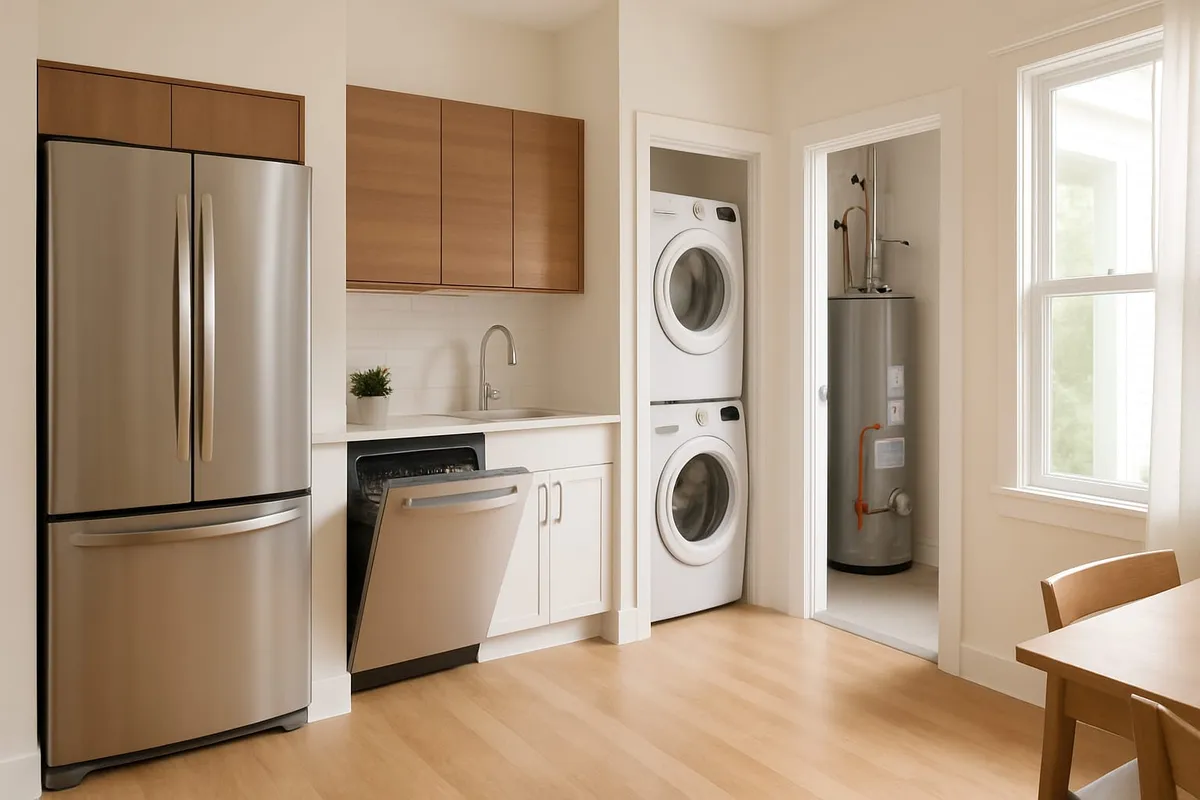
Every appliance in your home has a finite lifespan, and knowing when to expect replacements helps you budget wisely, plan upgrades, and avoid being caught off guard by a sudden failure. This comprehensive chart covers more than 20 common household appliances and systems, with data from the U.S. Department of Energy, manufacturer warranties, Consumer Reports, the National Association of Home Builders (NAHB), and industry trade organizations.
The Complete Appliance Lifespan Chart
HVAC and Climate Control
| Appliance | Average Lifespan | Annual Maintenance? |
|---|---|---|
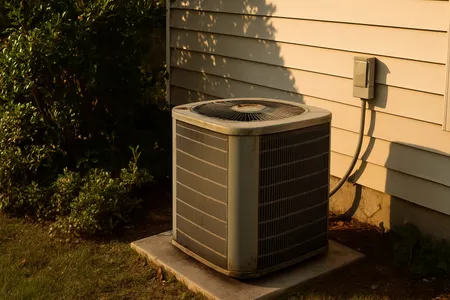
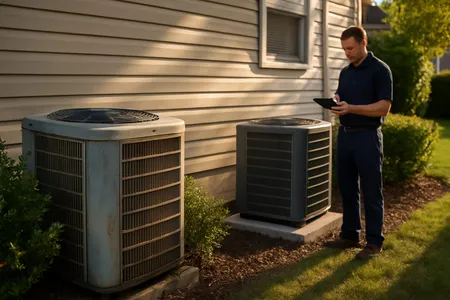
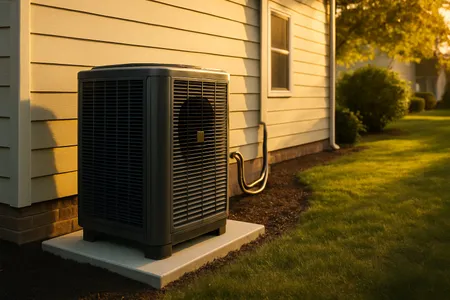
| Central Air Conditioner | 15–20 years | Yes (annual) |
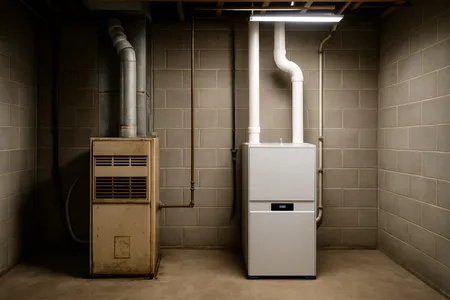
| Gas Furnace | 15–20 years | Yes (annual) |
| Electric Furnace | 20–30 years | Yes (annual) |
| Heat Pump (air-source) | 10–15 years | Yes (biannual) |
| Geothermal Heat Pump | 20–25 years (indoor) | Yes (annual) |
| Ductless Mini-Split | 15–20 years | Yes (annual) |
| Boiler | 15–30 years | Yes (annual) |
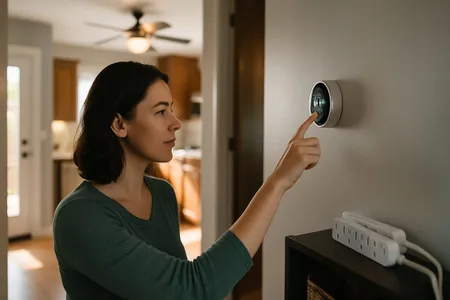
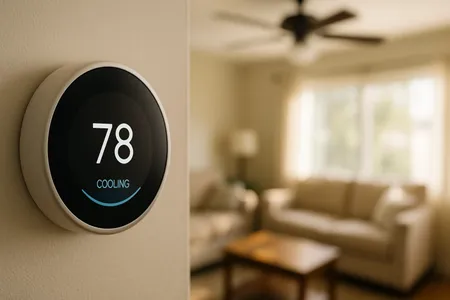
| Thermostat | 10–35 years | No |
| Humidifier (whole-home) | 10–15 years | Yes (annual) |
| Dehumidifier | 5–10 years | Minimal |
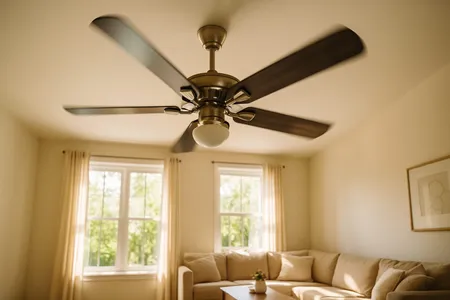
| Ceiling Fan | 10–15 years | Minimal |
| Portable AC | 5–10 years | Yes (filter) |
| Window AC | 8–10 years | Yes (filter) |
Installed replacement cost varies widely by size, tier, and home — a contractor can quote the exact number after an on-site look. One exception: thermostats. TTM’s parts run $110–$375, plus labor at $100–$150/hour; these prices may vary case by case.
For detailed lifespan guides:
Water Heating
| Appliance | Average Lifespan | Annual Maintenance? |
|---|---|---|
| Tank Water Heater (Gas) | 8–12 years | Yes (annual flush) |
| Tank Water Heater (Electric) | 10–15 years | Yes (annual flush) |
| Tankless Water Heater | 15–20 years | Yes (annual descale) |
| Heat Pump Water Heater | 13–15 years | Yes (annual) |
| Solar Water Heater | 15–20 years | Yes (annual) |
For a detailed comparison: How Long Does a Water Heater Last?
Kitchen Appliances
| Appliance | Average Lifespan | Annual Maintenance? |
|---|---|---|
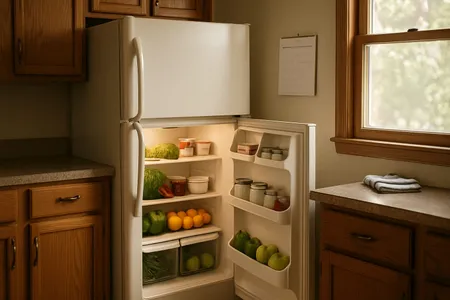
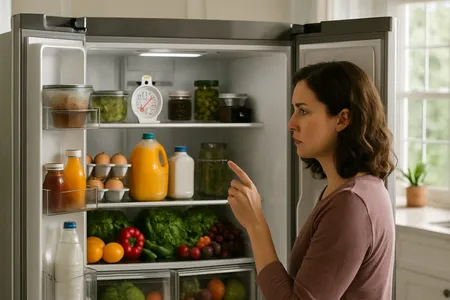
| Refrigerator (top freezer) | 14–20 years | Yes (coil cleaning) |
| Refrigerator (French door) | 10–15 years | Yes (coil cleaning) |
| Refrigerator (side-by-side) | 12–15 years | Yes (coil cleaning) |
| Refrigerator (built-in) | 15–25 years | Yes (coil cleaning) |
| Freezer (standalone) | 12–20 years | Yes (defrost, coil cleaning) |
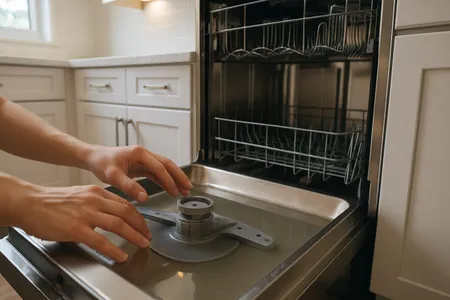
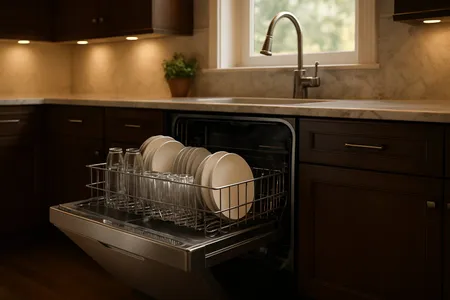
| Dishwasher | 9–12 years | Yes (filter, monthly clean) |
| Gas Range/Oven | 15–20 years | Minimal |
| Electric Range/Oven | 13–15 years | Minimal |
| Microwave (built-in) | 9–12 years | Minimal |
| Microwave (countertop) | 7–10 years | Minimal |
| Garbage Disposal | 8–12 years | Minimal |
| Range Hood / Exhaust Fan | 10–15 years | Yes (filter cleaning) |
For detailed guides:
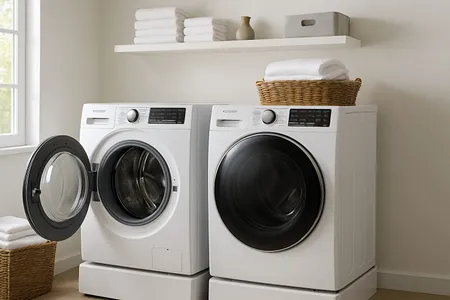
Laundry Appliances
| Appliance | Average Lifespan | Annual Maintenance? |
|---|---|---|
| Top-Load Washer (agitator) | 12–14 years | Yes (monthly clean cycle) |
| Top-Load Washer (HE) | 10–13 years | Yes (monthly clean cycle) |
| Front-Load Washer | 10–12 years | Yes (gasket + monthly clean) |
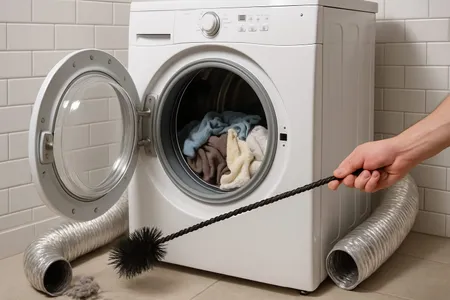
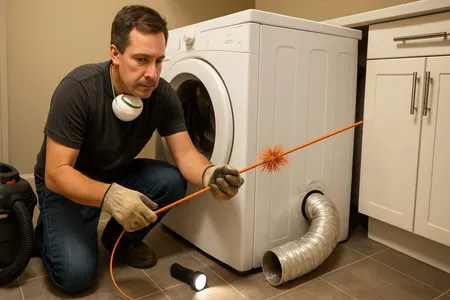
| Electric Dryer | 10–13 years | Yes (vent cleaning) |
| Gas Dryer | 11–14 years | Yes (vent cleaning) |
| Washer-Dryer Combo | 8–12 years | Yes (monthly clean) |
For a detailed guide: How Long Do Washers and Dryers Last?
Other Home Systems
| System | Average Lifespan | Notes |
|---|---|---|
| Water Softener | 10–15 years | Depends on water hardness |
| Whole-Home Water Filter | 5–10 years | Filter replacement ongoing |
| Sump Pump | 7–10 years | Critical in flood-prone areas |
| Smoke Detector | 8–10 years | Replace per manufacturer date |
| Carbon Monoxide Detector | 5–7 years | Check expiration date |
| Garage Door Opener | 10–15 years | Springs: 7–12 years |
How to Use This Chart
1. Identify Appliances Approaching End of Life
Walk through your home and note the age of each major appliance. Use the serial number or rating plate to determine the manufacture date. Our Appliance Age Decoder tool can help you interpret serial numbers from all major brands.
2. Create a Replacement Budget
For appliances nearing the end of their expected lifespan, start budgeting for replacement. Use the appliance’s expected lifespan and how heavily it’s used as your guide for timing. A smart approach is to set aside a consistent monthly amount in a home maintenance fund rather than trying to save reactively:
- Conservative — sized around covering roughly one major replacement every 3 years
- Moderate — sized to cover routine maintenance plus one replacement every 2 years
- Comprehensive — sized to cover all potential replacements as they come up
A financial planner or your technician can help size the monthly figure to your specific appliances and their ages.
3. Prioritize Maintenance
Appliances marked “Yes” in the annual maintenance column benefit significantly from regular care. Proper maintenance can extend lifespan by 25 to 50 percent in many cases.
Use our Maintenance Checklist Tool to track all your home maintenance tasks throughout the year.
4. Know When to Repair vs. Replace
Use these general rules:
The 50% Rule: If the repair costs more than 50 percent of a new appliance, replace it.
The Age Rule:
| Appliance Age vs. Expected Life | Repair? |
|---|---|
| Less than 50% of expected life | Almost always repair |
| 50–75% of expected life | Repair if cost is reasonable |
| Over 75% of expected life | Consider replacing |
| Beyond expected life | Replace unless minor repair |
The Efficiency Rule: Older appliances use significantly more energy. Even if an older unit still works, the energy savings from a new ENERGY STAR model can justify replacement.
Use our Repair or Replace Calculator for appliance-specific recommendations.
Factors That Shorten Appliance Lifespan
Understanding what kills appliances early helps you protect your investments:
1. Hard Water
Hard water damages virtually every water-using appliance in your home. Mineral deposits reduce efficiency, clog valves and pipes, and accelerate corrosion. A water softener protects your water heater, dishwasher, washing machine, and plumbing fixtures.
2. Power Surges
Lightning strikes and utility power surges can damage electronic control boards in modern appliances. A whole-home surge protector protects every appliance and electronic device in your home — ask an electrician for an installed quote.
3. Neglected Maintenance
Skipping filter changes, ignoring drain cleaning, and avoiding annual tune-ups are the most common causes of premature appliance failure. Most of the maintenance tasks on this chart take only minutes but add years to appliance life.
4. Improper Installation
Incorrect installation causes problems from day one. Common issues include improper venting, wrong electrical connections, inadequate clearance, and incorrect leveling. Always use qualified professionals for installation.
5. Overuse
Using appliances beyond their designed capacity (overloading the washer, running the dishwasher twice daily, or setting the AC to extreme temperatures) accelerates wear. Follow manufacturer guidelines for load sizes and usage.
Appliance Lifespan Trends
Appliances Are Getting Smarter but Not Always More Durable
Modern appliances have more electronics, sensors, and features than ever before. While these additions improve efficiency and user experience, they also introduce more potential failure points. Control board failures are one of the most common (and expensive) repairs for modern appliances.
Energy Efficiency Has Improved Dramatically
Even though newer appliances may not last as long as the simple, heavy-duty models of decades past, they use significantly less energy. A refrigerator from 2020 uses about 50 percent less electricity than one from 2005 and roughly 75 percent less than one from 1990. The energy savings often justify replacing an older but still functioning appliance.
Warranties as a Longevity Indicator
Manufacturer warranties often reflect how long the manufacturer expects the product to last:
- 1-year warranty: Manufacturer has minimal confidence in long-term durability
- 5-year warranty: Solid mid-range expectation
- 10-year warranty: Manufacturer stands behind long-term reliability
- Lifetime warranty: Reserved for key components (like heat exchangers or compressors) on premium products
Frequently Asked Questions
How do I find out how old my appliances are?
Check the rating plate or data label on each appliance for the serial number. The manufacture date is encoded in the serial number, often in the first few characters. Our Appliance Age Decoder tool can help you determine the exact date from serial numbers for most major brands.
Which appliances last the longest?
Geothermal heat pump ground loops (50+ years), thermostats (up to 35 years), electric furnaces (20 to 30 years), and gas ranges (15 to 20 years) tend to have the longest lifespans. These appliances share a common trait: simpler mechanical designs with fewer moving parts and electronic components.
Which appliances fail the soonest?
Dehumidifiers (5 to 10 years), portable air conditioners (5 to 10 years), garbage disposals (8 to 12 years), and carbon monoxide detectors (5 to 7 years) tend to have the shortest lifespans. High-use appliances with exposure to water, moisture, or frequent cycling wear out fastest.
Is it worth repairing old appliances?
It depends on the age, repair cost, and energy efficiency difference between your current appliance and a new one. Use the 50% rule (do not repair if the cost exceeds half the price of a new unit) and our Repair or Replace Calculator for guidance.
How much should I budget for appliance replacements each year?
How much you should budget varies by household, since several appliances can need replacement in the same year even though each one individually fails infrequently. Setting aside a consistent monthly amount in a home maintenance fund, rather than trying to save reactively after something breaks, covers most replacement needs.
Want to know the exact age and condition of your HVAC system or major appliances? In Central Texas, Texas Temp Masters provides comprehensive system assessments, maintenance plans, and expert guidance on repair vs. replacement decisions. Call (817) 704-0706 or visit our contact page to schedule an assessment.
Next Steps
Put this lifespan data to work with these tools and guides:
- Decode your equipment’s age — Use our HVAC Age Decoder and Appliance Age Decoder to find the exact manufacture date from any serial number.
- See how much you could save by upgrading — Our Energy Savings Calculator compares your current system’s energy use against modern ENERGY STAR models.
- Estimate replacement costs — Use our Cost Estimator to get a ballpark price for HVAC and appliance replacements based on your home and location.
- Troubleshoot before you replace — If your refrigerator is acting up, our refrigerator not cooling guide may help you fix it. For dryer issues, see our dryer not heating guide.
- Ready to talk? — Contact us for a free evaluation.