Heat pumps have become one of the most popular HVAC systems in the United States, offering both heating and cooling from a single unit. Because they run year-round rather than seasonally, understanding their expected lifespan is essential for planning maintenance and budgeting for an eventual replacement.
Quick Answer: How Long Does a Heat Pump Last?
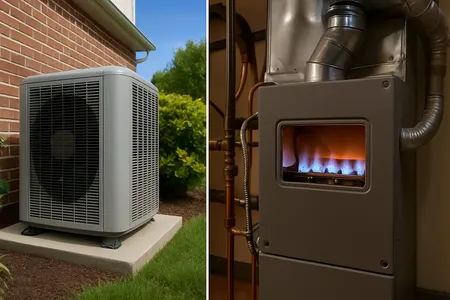
The average heat pump lasts 10 to 15 years, though well-maintained systems often reach 20 years or more. Because heat pumps handle both heating and cooling duties, they accumulate more operating hours than a standalone furnace or air conditioner, which contributes to a somewhat shorter average lifespan compared to those single-purpose systems.
| Heat Pump Type | Average Lifespan |
|---|---|
| Air-Source Heat Pump | 10–15 years |
| Ductless Mini-Split | 15–20 years |
| Geothermal (Ground-Source) | 20–25 years (indoor components) |
| Geothermal Ground Loop | 50+ years |
| Dual Fuel / Hybrid Heat Pump | 12–17 years |
Geothermal heat pumps have the longest lifespan because the indoor components are protected from outdoor elements, and the ground loop itself can last 50 years or more. Ductless mini-splits also tend to last longer than traditional ducted systems because each unit handles a smaller load.
How Long Do Heat Pumps Last in Texas?
Central Texas is comparatively friendly territory for heat pumps. Summers push them to their cooling limits, but the mild winters keep heating demand moderate — so total annual wear is balanced rather than brutal. The two things that decide whether yours reaches the upper end of the range: biannual professional maintenance (spring and fall) and filter changes every 1–3 months. If you don’t know your system’s age, decode it in seconds with our free HVAC Age Decoder.
Heat Pump Lifespan by Brand
| Brand | Expected Lifespan | Notable Features |
|---|---|---|
| Trane | 15–20 years | Climatuff compressors |
| Carrier | 15–20 years | Greenspeed Intelligence |
| Lennox | 12–18 years | Precise Comfort technology |
| Rheem | 12–17 years | Solid mid-range option |
| Goodman | 10–15 years | Budget-friendly |
| Daikin | 15–20 years | Ductless expertise |
| Mitsubishi | 15–20 years | Mini-split leader |
| York | 12–17 years | Reliable performance |
| Amana | 12–18 years | Lifetime compressor warranty |
Mitsubishi and Daikin lead in ductless mini-split longevity, with many installations lasting 20 years or more. Amana’s lifetime compressor warranty provides exceptional long-term protection, though the warranty only covers the original homeowner.
6 Factors That Affect Heat Pump Lifespan
1. Climate and Year-Round Usage
Unlike furnaces that rest during summer and air conditioners that rest during winter, heat pumps work throughout the entire year. In mild climates, this year-round use is relatively gentle on the system. In regions with extreme heat or extreme cold, the heat pump works harder, which shortens its lifespan.
In Central Texas, heat pumps face hot summers that push them to their cooling limits. However, the relatively mild winters mean the heating demand is moderate, which helps balance overall wear.
2. Maintenance Frequency
The Department of Energy reports that the energy consumption of a well-maintained heat pump is 10 to 25 percent lower than that of a neglected one. Regular maintenance also identifies small issues before they become major failures.
Heat pumps should be professionally serviced twice per year: once in spring before cooling season and once in fall before heating season. This is more frequent than single-purpose systems because the heat pump works in both seasons.
3. Defrost Cycle Stress
In heating mode, heat pumps extract warmth from outdoor air. When temperatures drop below freezing, ice can form on the outdoor coil. The system’s defrost cycle reverses operation temporarily to melt this ice. Frequent defrost cycles in cold weather put additional stress on the reversing valve and compressor.
4. Refrigerant Charge
Incorrect refrigerant levels are a leading cause of compressor failure. Too little refrigerant causes the compressor to overheat, while too much can cause liquid slugging. Refrigerant levels should be checked at every maintenance visit.
5. Installation Quality
Proper sizing, correct refrigerant charge, quality ductwork (or proper line set routing for mini-splits), and adequate airflow are all critical at installation. A poorly installed heat pump may lose years off its expected lifespan.
6. Air Filter Maintenance
Just like any HVAC system, clean filters are essential. A clogged filter restricts airflow, causing the system to work harder and potentially leading to frozen coils, compressor strain, and premature failure. Change filters every one to three months.
7 Warning Signs Your Heat Pump Is Failing
1. Declining Heating or Cooling Performance
If your heat pump can no longer keep your home comfortable in moderate weather conditions, the compressor or refrigerant charge may be failing.
2. Increased Energy Bills
A gradual rise in energy costs with no change in usage patterns indicates the system is working harder to achieve the same results. Efficiency losses of 10 to 20 percent are common in aging heat pumps.
3. Frequent Cycling
Short cycling, where the system turns on and off every few minutes, stresses the compressor and other components. This can be caused by refrigerant leaks, thermostat issues, or a failing compressor.
4. Ice Buildup That Does Not Clear
While some frost on the outdoor unit during winter is normal, persistent ice that does not clear during defrost cycles indicates a problem with the defrost control, reversing valve, or refrigerant charge.
5. Unusual Noises
Grinding or screeching sounds often indicate motor bearing failure. Clicking sounds during startup may signal a failing compressor relay. Loud buzzing may point to electrical issues.
6. Blowing Lukewarm Air
If your heat pump blows air that is neither warm enough in winter nor cool enough in summer, the compressor is likely losing capacity. This is often one of the first signs of a compressor approaching the end of its life.
7. Excessive Repair Frequency
Needing repairs more than once or twice per year, especially on different components, suggests the system has reached the stage of cascading failures where one worn part accelerates the failure of others.
6 Maintenance Tips to Extend Your Heat Pump’s Life
-
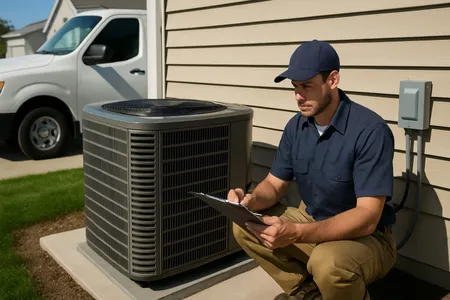
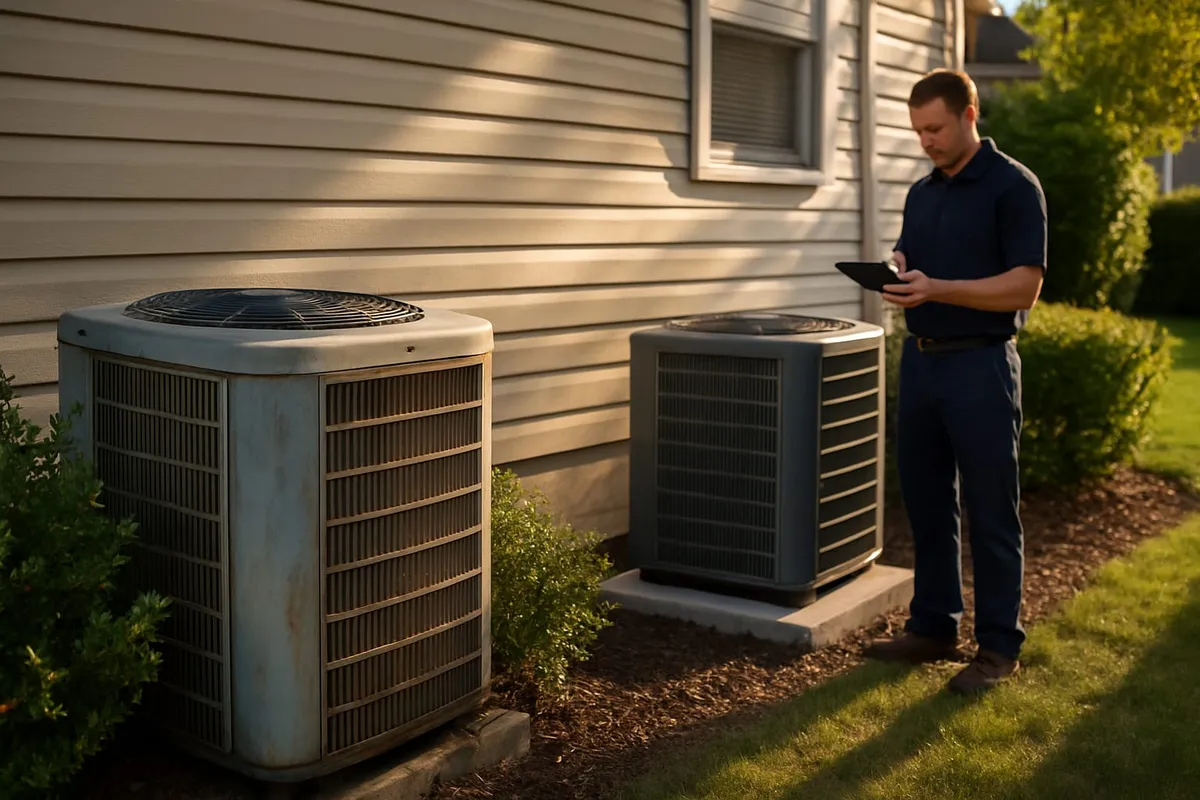
Schedule biannual professional maintenance. Service your heat pump in spring and fall. A technician will check refrigerant levels, clean coils, test the defrost cycle, inspect electrical connections, and verify proper operation in both heating and cooling modes.
-
Change the air filter every one to three months. This is the easiest and most impactful thing you can do. Set a reminder on your phone or use our Maintenance Checklist to stay on track.
-
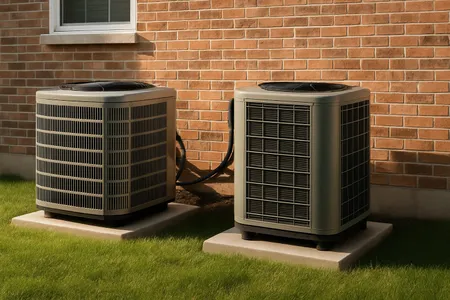
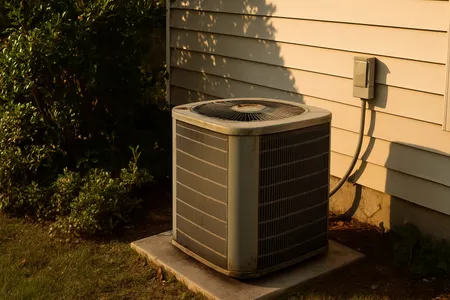
Keep the outdoor unit clear. Maintain at least two feet of clearance around the outdoor unit. Remove leaves, snow, ice, and debris regularly. Ensure the unit sits on a level surface.
-
Clean the coils annually. Dirty evaporator and condenser coils reduce the system’s ability to transfer heat. You can gently rinse outdoor coils with a garden hose. See our guide on how to clean your AC condenser for detailed instructions.
-
Do not block supply or return vents. Ensure furniture, curtains, and rugs are not blocking airflow. Restricted airflow creates pressure imbalances that strain the blower motor and can reduce the system’s lifespan.
-
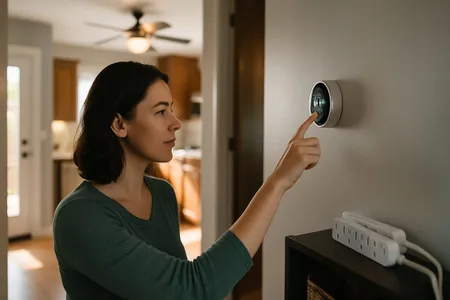
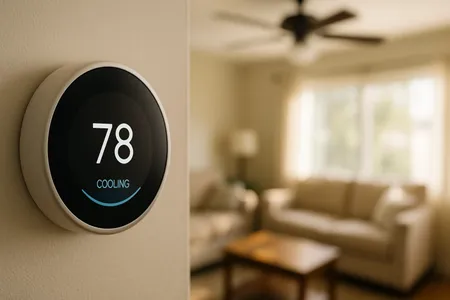
Use a smart thermostat wisely. A smart thermostat can optimize cycling patterns and reduce unnecessary runtime. However, avoid using large temperature setbacks with heat pumps, as the system may rely on less efficient auxiliary heat to recover. A 2 to 3 degree setback is usually appropriate. Our thermostat savings calculator can help you find the right balance.
Repair vs. Replace Decision Guide
Repair Makes Sense When:
- The heat pump is less than 8 years old
- The repair is a minor component (capacitor, contactor, fan motor)
- The repair cost is less than one-third the price of a new system
- The system still provides adequate comfort and efficiency
Replacement Makes Sense When:
- The heat pump is 12 years or older
- The compressor has failed
- The repair cost exceeds 50 percent of a new system
- Energy bills have steadily increased by 20 percent or more
- The system uses older R-22 refrigerant
- Multiple components are failing
Potential Savings from Upgrading
Modern heat pumps with variable-speed compressors are dramatically more efficient than models from 10 to 15 years ago. An upgrade to an ENERGY STAR certified heat pump can reduce heating and cooling costs by 20 to 40 percent. A federal tax credit that used to apply to qualifying heat pumps expired December 31, 2025 — see what’s still available.
Use our Repair or Replace Calculator for a personalized recommendation.
Frequently Asked Questions
Are heat pumps less durable than furnaces?
Heat pumps typically have a shorter average lifespan (10 to 15 years) compared to furnaces (15 to 20 years) because they operate year-round rather than seasonally. However, you are comparing one system that handles both heating and cooling to two separate systems that would need independent maintenance and eventual replacement.
Do heat pumps work well in Texas?
Yes. Heat pumps are an excellent choice for Texas because they are most efficient in moderate climates. The mild winters in Central Texas allow heat pumps to operate in their most efficient range for heating, while modern systems handle summer cooling demands effectively.
How do I know the age of my heat pump?
Check the data plate on the outdoor unit for the serial number. The manufacture date is typically encoded in the first few digits. Our HVAC Age Decoder tool can help you determine the age from most major brand serial numbers.
Is a geothermal heat pump worth the investment?
Geothermal systems cost significantly more upfront but last significantly longer and operate at much higher efficiency. They can reduce heating and cooling costs by 30 to 60 percent. The payback period is usually 5 to 10 years, after which you benefit from decades of lower energy costs.
Should I repair or replace a 10-year-old heat pump?
At 10 years, your heat pump is at the midpoint of its expected life. Minor repairs are usually worthwhile, but a major repair like a compressor replacement often does not justify the investment given the remaining expected lifespan — ask your technician to weigh the repair quote against a replacement estimate.
Next Steps
Whether your heat pump is aging or you are planning ahead, these resources will help:
- Calculate your potential energy savings — The Energy Savings Calculator shows how much a modern variable-speed heat pump will cut from your monthly bill compared to your current system.
- See what a replacement costs — Our HVAC Cost Estimator gives you Good/Better/Best pricing with financing options based on your home size and efficiency preferences.
- Understand the full cost picture — Our HVAC System Cost guide breaks down equipment, labor, and installation costs by system type and home size.
- Offset the upgrade cost — A federal tax credit that used to apply to qualifying heat pumps expired December 31, 2025. Read our HVAC Tax Credits and Rebates in 2026 guide for what’s still available.
- Know how the refrigerant transition affects your unit — Our R-410A Phase-Out Guide explains rising service costs and when it makes sense to move to a newer system.
- Ready to talk? — Contact us for a free evaluation and personalized recommendation.
Not sure if your heat pump needs repair or replacement? Use our Repair or Replace Calculator for a data-driven recommendation — or skip straight to a human: Texas Temp Masters services, repairs, and installs heat pumps across Central Texas. Call (817) 704-0706 or request a free evaluation.