Your refrigerator runs 24 hours a day, 365 days a year, making it one of the hardest-working appliances in your home. It is also one of the most essential. Knowing how long your refrigerator should last, which brands tend to be most durable, and when it is time to repair versus replace can save you money and prevent the headache of a sudden breakdown that puts your food at risk.
Quick Answer: How Long Does a Refrigerator Last?
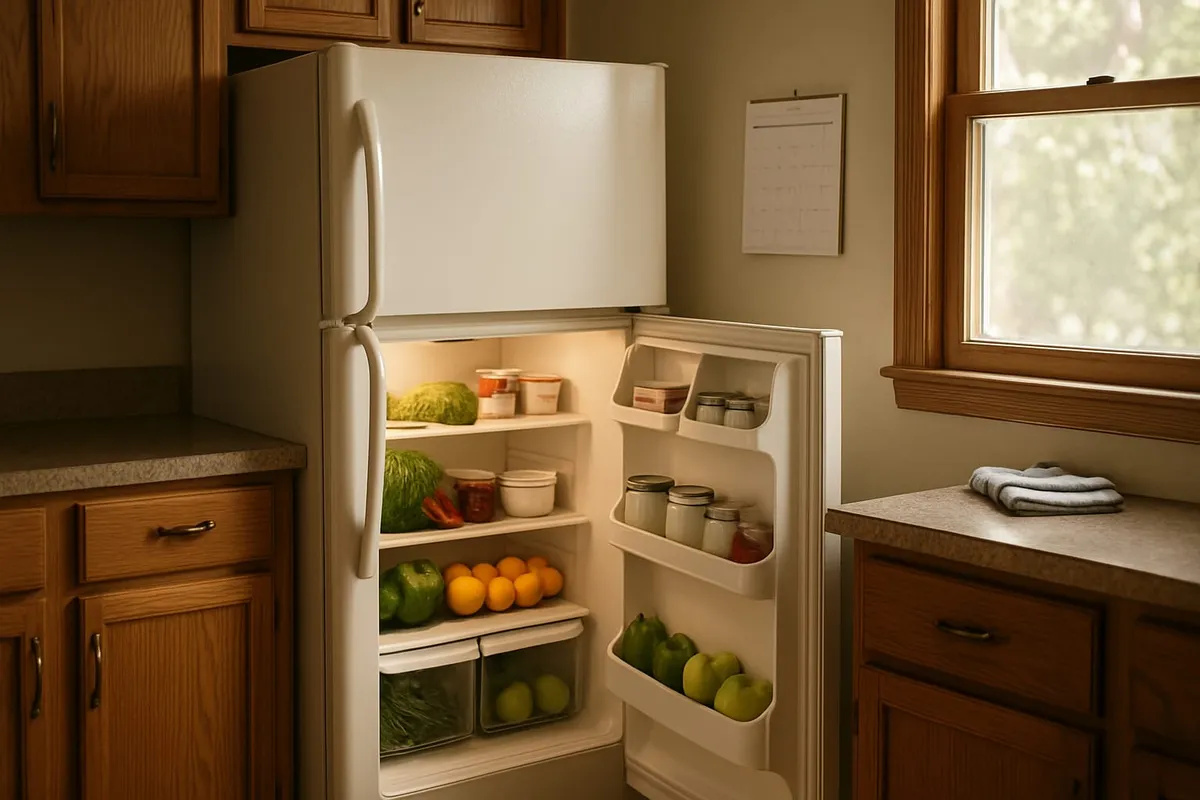
The average refrigerator lasts 10 to 18 years, according to the U.S. Department of Energy, with a median lifespan of about 12 years. The actual lifespan varies significantly by type, brand, and how well the unit is maintained.
| Refrigerator Type | Average Lifespan |
|---|---|
| Top Freezer | 14–20 years |
| Bottom Freezer | 12–17 years |
| Side-by-Side | 12–15 years |
| French Door | 10–15 years |
| Built-In / Panel-Ready | 15–25 years |
| Compact / Mini Fridge | 8–12 years |
Top freezer models tend to last the longest among standard configurations because they have simpler designs with fewer mechanical components. French door models, while popular and feature-rich, typically have shorter lifespans due to their more complex design, multiple compartments, and additional components like ice makers and water dispensers.
Refrigerator Lifespan by Brand
| Brand | Expected Lifespan | Price Tier |
|---|---|---|
| Miele | 15–20 years | Premium |
| Thermador | 15–20 years | Premium |
| Sub-Zero | 17–25 years | Luxury |
| Bosch | 10–20 years | Premium |
| KitchenAid | 12–17 years | Mid-Premium |
| Whirlpool | 12–17 years | Mid-Range |
| GE / GE Profile | 12–17 years | Mid-Range |
| LG | 10–15 years | Mid-Range |
| Samsung | 10–12 years | Mid-Range |
| Frigidaire | 10–14 years | Budget-Friendly |
| Maytag | 12–17 years | Mid-Range |
Sub-Zero stands out with lifespans of 17 to 25 years, thanks to heavy-duty compressors and commercial-grade construction. At the mid-range level, Whirlpool, GE, KitchenAid, and Maytag (all owned by the same parent company or sharing similar components) offer reliable 12 to 17 year lifespans at more accessible price points.
Samsung has drawn criticism in recent years for reliability issues, particularly with their ice makers and digital inverter compressors, which has contributed to a lower average lifespan compared to competitors.
5 Factors That Affect Refrigerator Lifespan
1. Compressor Quality
The compressor is the heart of any refrigerator. Higher-quality compressors, like those found in Sub-Zero and Miele units, are built to withstand decades of continuous use. Budget models often use lighter-duty compressors that are more prone to early failure.
2. Temperature Environment
Your refrigerator works harder in warmer environments. Placing a refrigerator in a hot garage, next to an oven, or in direct sunlight forces the compressor to run more frequently. The ideal ambient temperature is 60 to 80 degrees Fahrenheit.
3. Condenser Coil Maintenance
Dust and pet hair accumulate on condenser coils, usually located on the bottom or back of the refrigerator. Dirty coils force the compressor to work harder to dissipate heat, reducing efficiency and shortening the compressor’s life. Cleaning coils every 6 to 12 months is one of the most impactful maintenance steps.
4. Door Seal Condition
Worn or damaged door gaskets allow cold air to escape, forcing the compressor to run more often. Test your seals by closing the door on a dollar bill. If the bill slides out easily, the seal needs replacement.
5. Usage Patterns
Frequently opening the door, overpacking the refrigerator (which blocks airflow), or leaving the door open for extended periods all increase the compressor’s workload. Conversely, an extremely under-loaded refrigerator also runs less efficiently because it lacks thermal mass to maintain stable temperatures.
7 Warning Signs Your Refrigerator Is Failing
1. Excessive Condensation
Moisture on the exterior of the refrigerator or inside on the walls and food suggests the door seals are failing or the temperature regulation is malfunctioning.
2. Food Spoiling Prematurely
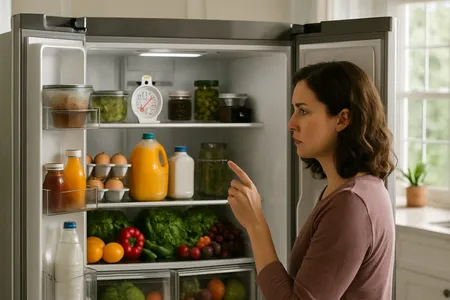
If food is going bad before its expiration date, your refrigerator is not maintaining a consistent internal temperature. The ideal refrigerator temperature is 37 to 40 degrees Fahrenheit, and the freezer should be at 0 degrees.
3. Motor Running Constantly
The compressor should cycle on and off throughout the day. If you hear it running continuously, the unit is struggling to maintain temperature. This increases energy consumption and accelerates compressor wear.
4. Excessive Heat from the Back or Bottom
Some warmth near the compressor and coils is normal. Excessive heat indicates the compressor is working overtime, often due to dirty coils, a failing compressor, or blocked ventilation.
5. Loud or Unusual Noises
Buzzing, clicking, humming, or grinding sounds that are louder or different from normal operation can indicate a failing compressor, a worn fan motor, or ice buildup on the evaporator fan.
6. Frost Buildup in Freezer
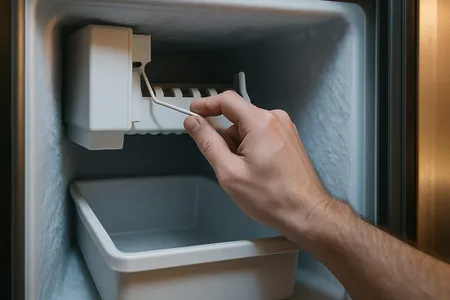
Modern frost-free refrigerators should not accumulate frost. If ice is building up in the freezer compartment, the defrost heater, defrost timer, or defrost thermostat may be failing.
7. Age Over 12 Years with Increasing Energy Bills
If your refrigerator is over 12 years old and your electric bill has been climbing, the unit is likely losing efficiency. Modern ENERGY STAR refrigerators use 10 to 50 percent less energy than models from 10 to 15 years ago.
Maintenance Tips to Extend Refrigerator Life
-
Clean the condenser coils every 6 to 12 months. Unplug the refrigerator, locate the coils (usually on the bottom behind a kick plate or on the back), and vacuum or brush away dust and debris. This single step can add years to your refrigerator’s life.
-
Check and replace door gaskets. Inspect seals for cracks, tears, or looseness. Clean gaskets with warm soapy water regularly to prevent food residue from degrading the rubber. Replace any damaged seals promptly.
-
Set the correct temperature. Keep the refrigerator at 37 to 40 degrees and the freezer at 0 degrees. Use an appliance thermometer to verify, as the built-in dial or digital reading may not be accurate.
-
Keep it properly loaded. A reasonably full refrigerator maintains temperature better than an empty one because food acts as thermal mass. However, avoid overpacking, which blocks internal airflow.
-
Ensure proper ventilation. Leave at least one inch of space behind and above the refrigerator for heat dissipation. Built-in models have front-mounted ventilation, but freestanding models need rear clearance.
-
Level the refrigerator. An unlevel refrigerator causes the door to not seal properly and can affect coolant flow. Use a bubble level and adjust the front legs until the unit is slightly tilted back (so the door closes on its own).
Repair vs. Replace Decision Guide
The 50% Rule
If the repair cost exceeds 50 percent of the price of a comparable new refrigerator, replacement is the smarter choice.
Age-Based Guidelines
| Refrigerator Age | Repair Recommendation |
|---|---|
| Under 5 years | Repair almost anything except major compressor failure |
| 5–10 years | Repair if the estimate is a small fraction of a new unit’s cost |
| 10–15 years | Only repair if the estimate is modest relative to a new unit’s cost |
| Over 15 years | Replace unless it is a very minor fix |
Common Repairs
| Repair | Worth It? |
|---|---|
| Thermostat replacement | Yes, if under 10 years old |
| Door gasket replacement | Almost always yes |
| Fan motor replacement | Yes, if under 12 years old |
| Compressor replacement | Only if under 5 years old |
| Control board replacement | Case by case |
| Ice maker repair | Yes, if under 10 years old |
Ask a repair technician for a written quote before authorizing any of these — cost varies by brand and model.
Energy Savings from Upgrading
A new ENERGY STAR certified refrigerator uses about 9 percent less energy than a model meeting current federal minimum standards, and up to 50 percent less than a model from 15 years ago. Upgrading an older refrigerator to a new ENERGY STAR model can meaningfully lower its annual electricity cost.
Use our Repair or Replace Calculator to get a personalized recommendation based on your refrigerator’s age, repair cost, and energy usage.
Frequently Asked Questions
Can a refrigerator last 25 years?
High-end built-in models from brands like Sub-Zero are designed to last 20 to 25 years. Some top-freezer models from the 1990s and earlier are still running today. However, a 25-year-old refrigerator is likely using significantly more electricity than a modern ENERGY STAR model, which may make replacement cost-effective even if the old unit still works.
How do I find out how old my refrigerator is?
Check the rating plate, usually located inside the refrigerator on a side wall, the ceiling, or behind the crisper drawers. The serial number typically contains the manufacture date. Our Appliance Age Decoder can help you decode it.
Are expensive refrigerators worth it?
Premium brands generally last longer and require fewer repairs, but the price difference does not always correspond to a proportional lifespan increase. A less expensive model lasting 15 years may be a better value than a premium model lasting 22 years when you calculate cost per year of service.
Should I keep my old refrigerator as a garage fridge?
Running a second refrigerator adds to your electric bill every year, and older models cost even more to run. Unless you genuinely need the extra storage, retiring the old unit is usually the better financial decision. If you do keep it, avoid placing it in an unconditioned garage where extreme temperatures reduce efficiency and lifespan.
What is the most reliable refrigerator brand?
Based on industry data and consumer surveys, Whirlpool, KitchenAid, and GE consistently rank among the most reliable mainstream brands. For premium reliability, Sub-Zero, Miele, and Thermador lead the field.
Need help deciding whether to repair or replace your refrigerator? Use our Repair or Replace Calculator for a data-driven recommendation. In Central Texas? Texas Temp Masters offers expert appliance diagnostics and repair. Call (817) 704-0706 to schedule service.
Next Steps
Keep your refrigerator running as long as possible with these resources:
- Build a maintenance routine — Our Maintenance Checklist tracks coil cleanings, gasket checks, and temperature verifications so nothing slips through the cracks.
- See how much a new fridge could save — Use our Energy Savings Calculator to compare your current refrigerator’s energy use against a modern ENERGY STAR model.
- Fridge acting up? — If your refrigerator is showing signs of trouble, our refrigerator not cooling guide walks you through every common cause and fix.
- Plan for all your appliances — Our appliance lifespan chart covers 20+ appliances so you can budget for replacements before they surprise you.
- Ready to talk? — Contact us for a free evaluation.