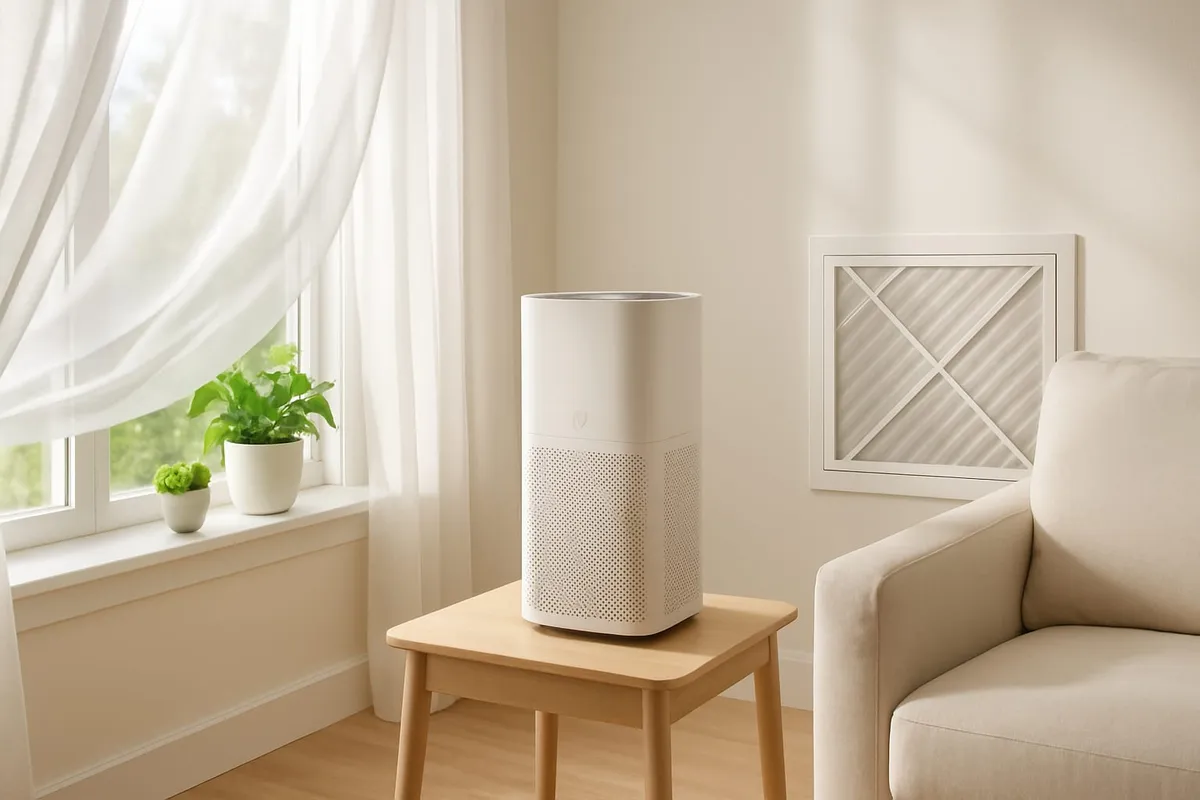
According to the Environmental Protection Agency (EPA), indoor air can be two to five times more polluted than outdoor air, and in some cases up to 100 times worse. Since the average American spends about 90 percent of their time indoors, the quality of the air inside your home has a significant impact on your health, comfort, and well-being.
The good news is that improving indoor air quality does not require expensive renovations. The EPA identifies three core strategies: controlling pollution sources, improving ventilation, and using air filtration. This guide covers 12 proven methods that address all three strategies.
What You Will Need
The materials depend on which methods you implement, but most of these steps require little to no special equipment:
- Replacement HVAC filters (MERV 8–13)
- Humidity monitor (hygrometer) — inexpensive and widely available
- Carbon monoxide detector(s)
- Radon test kit (inexpensive, or free from many state health departments)
- Optional: standalone air purifier with HEPA filter
Time estimate: Varies by method (5 minutes to several hours) Difficulty level: Mostly beginner; some methods may need a professional
Method 1: Change Your HVAC Filter Regularly
Your HVAC filter is your home’s primary air cleaning system. A dirty or low-quality filter allows dust, allergens, pet dander, mold spores, and other particles to recirculate through your home.
- Replace standard 1-inch filters every 30 to 90 days.
- Use a MERV 8 to 13 filter for the best balance of filtration and airflow.
- Set a recurring reminder on your phone or calendar.
A clean filter also protects your HVAC system and reduces energy costs. See our complete guide on how to change your furnace filter.
Method 2: Control Humidity Levels
The EPA recommends keeping indoor humidity between 30 and 50 percent. High humidity promotes mold growth, dust mite reproduction, and bacterial growth. Low humidity causes dry skin, respiratory irritation, and static electricity.
- Use a dehumidifier in damp areas like basements and laundry rooms.
- Use exhaust fans in bathrooms and kitchens during and after showering or cooking.
- Fix leaks promptly. Any water intrusion creates conditions for mold growth.
- Use a hygrometer to monitor humidity levels in different rooms.
In humid climates, your air conditioner also acts as a dehumidifier. An oversized AC cools too quickly without running long enough to remove moisture, so proper system sizing is important.
Method 3: Ventilate Your Home
Fresh outdoor air dilutes indoor pollutants. The EPA recommends increasing ventilation as a key strategy for improving air quality.
- Open windows and doors when outdoor air quality is good and weather permits. Even 15 to 30 minutes of fresh air exchange makes a difference.
- Use kitchen exhaust fans when cooking, especially when using a gas stove. Gas burners produce nitrogen dioxide, carbon monoxide, and formaldehyde.
- Use bathroom exhaust fans during and for 15 to 20 minutes after bathing to remove moisture and odors.
- Consider an energy recovery ventilator (ERV) or heat recovery ventilator (HRV) for controlled fresh air intake without losing heating or cooling efficiency.
Method 4: Eliminate Tobacco and Vaping Smoke
Secondhand tobacco smoke contains more than 7,000 chemicals, including hundreds that are toxic. There is no safe level of indoor tobacco or vaping exposure.
- Establish a strict no-smoking and no-vaping policy inside the home.
- Tobacco smoke residue (thirdhand smoke) clings to walls, furniture, and carpets for months.
- If anyone smokes outdoors, keep doors and windows downwind closed to prevent smoke from entering.
Method 5: Reduce Chemical Pollutants
Many common household products release volatile organic compounds (VOCs) that degrade indoor air quality.
- Choose low-VOC or no-VOC paints, cleaners, and adhesives.
- Store chemicals in the garage or outside rather than inside living spaces.
- Minimize use of aerosol sprays, including air fresheners, hairspray, and cleaning sprays.
- Use natural cleaning alternatives such as vinegar, baking soda, and mild soap when possible.
- Let new furniture and building materials off-gas in a well-ventilated area before bringing them into living spaces.
Method 6: Test for Radon
Radon is a naturally occurring radioactive gas that seeps into homes through cracks in the foundation. It is the second leading cause of lung cancer in the United States, responsible for about 21,000 deaths annually according to the EPA.
- Test your home for radon using an inexpensive DIY test kit or hire a professional.
- The EPA action level is 4 picocuries per liter (pCi/L) or higher.
- If levels are elevated, a professionally installed radon mitigation system can reduce radon by up to 99 percent — a mitigation contractor can quote the installed cost for your home.
- Every home should be tested, regardless of age, location, or construction type.
Method 7: Install Carbon Monoxide Detectors
Carbon monoxide (CO) is an odorless, colorless gas produced by gas furnaces, water heaters, stoves, fireplaces, and attached garages. It is lethal at high concentrations.
- Install CO detectors on every level of your home and near sleeping areas.
- Test detectors monthly and replace batteries annually.
- Replace the detectors themselves every 5 to 7 years.
- Never run gas-powered equipment (generators, grills, cars) inside or in attached garages.
Method 8: Use a High-Quality Air Purifier
Portable air purifiers with true HEPA filters capture 99.97 percent of particles 0.3 microns and larger, including dust, pollen, mold spores, pet dander, and many bacteria.
- Size the purifier to the room. Check the Clean Air Delivery Rate (CADR) to ensure it matches the square footage.
- Place the purifier in the room where you spend the most time, typically the bedroom or living room.
- Replace HEPA filters according to the manufacturer’s schedule, usually every 6 to 12 months.
- Look for units with activated carbon filters to also address odors and gaseous pollutants.
Avoid air purifiers that generate ozone, as ozone is a lung irritant. Check for the California Air Resources Board (CARB) certification.
Method 9: Keep Your Home Clean
Regular cleaning reduces the accumulation of allergens, dust, and pollutants.
- Vacuum at least twice per week using a vacuum with a HEPA filter to prevent particles from being blown back into the air.
- Mop hard floors after vacuuming to capture remaining dust.
- Wash bedding weekly in hot water to kill dust mites.
- Dust surfaces with a damp cloth rather than a dry duster, which just moves dust around.
- Reduce clutter that collects dust and is difficult to clean around.
Method 10: Address Mold Promptly
Mold can cause allergic reactions, asthma attacks, and respiratory infections. It grows wherever there is moisture.
- Fix water leaks within 24 to 48 hours to prevent mold growth.
- Clean visible mold on hard surfaces with soap and water or a commercial mold remover. The EPA does not recommend using bleach as a routine mold cleaner.
- For mold covering more than 10 square feet, hire a professional mold remediation service.
- Address the moisture source first. Cleaning mold without fixing the moisture problem means it will return.
Method 11: Manage Pet Allergens
Pets are a major source of indoor allergens. Pet dander, saliva, and urine proteins become airborne and circulate through your HVAC system.
- Bathe pets regularly to reduce dander.
- Keep pets out of bedrooms to create an allergen-free sleeping environment.
- Use a MERV 11 or higher filter in your HVAC system to capture smaller pet dander particles.
- Vacuum frequently with a HEPA-filtered vacuum, paying special attention to upholstered furniture and carpets.
- Wash pet bedding weekly.
Method 12: Maintain Your HVAC System
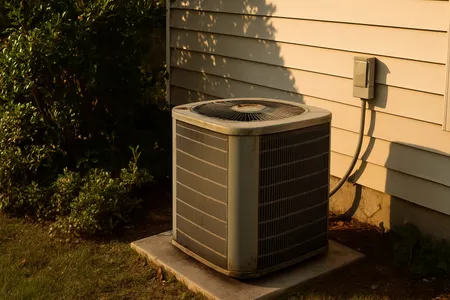
Your HVAC system circulates all the air in your home multiple times per day. A well-maintained system improves air quality, while a neglected system can spread contaminants.
- Schedule professional HVAC maintenance at least once per year. A technician will clean the evaporator coil, check the blower motor, inspect ductwork, and verify proper operation.
- Consider duct cleaning every 3 to 5 years, especially if you notice excessive dust, visible mold in ducts, or have recently completed construction or renovation.
- Seal ductwork leaks to prevent drawing in dust, insulation fibers, and other contaminants from unconditioned spaces.
- Consider upgrading to a whole-home air purification system that integrates with your HVAC system for continuous filtration.
Visit our maintenance page to schedule professional HVAC service.
Safety Warnings
- Never mix cleaning chemicals, especially bleach and ammonia, which produce toxic chloramine gas.
- Ensure all combustion appliances are properly vented to the outside. This includes gas furnaces, water heaters, stoves, and fireplaces.
- If you suspect a gas leak (rotten egg smell), evacuate immediately and call your gas company from outside the home.
- Do not attempt to remove asbestos or lead paint yourself. These require professional abatement.
When to Call a Professional
Most of these methods are DIY-friendly, but call a professional for:
- Duct cleaning or inspection if you suspect mold, excessive dust, or pest contamination in your ductwork
- Mold remediation for areas larger than 10 square feet
- Radon mitigation system installation if testing reveals elevated levels
- HVAC system modifications such as adding a whole-home air purifier, UV light system, or energy recovery ventilator
- Air quality testing if household members experience unexplained respiratory symptoms
Frequently Asked Questions
How do I know if my indoor air quality is bad?
Common signs include persistent allergies or respiratory symptoms that improve when you leave home, visible mold growth, musty or stale odors, excessive dust accumulation, and condensation on windows. You can also purchase an indoor air quality monitor that measures particulate matter, VOCs, humidity, and CO2 levels.
Do indoor plants improve air quality?
While NASA’s famous study showed that certain plants can remove some VOCs, the effect in real-world conditions is minimal. You would need hundreds of plants to meaningfully impact air quality in a typical room. Plants are great for aesthetics and well-being, but they are not a substitute for proper ventilation and filtration.
How much does it cost to improve indoor air quality?
Basic improvements like changing filters regularly, cleaning, and controlling humidity cost very little. A standalone air purifier costs less than professional duct cleaning, and a whole-home air purification system integrated with your HVAC costs more than either — a technician can quote the specific job for your home.
Are UV lights in HVAC systems effective?
UV-C germicidal lights installed in the HVAC system can reduce mold, bacteria, and some viruses on the evaporator coil and in the airstream. They are most effective when combined with good filtration, not as a standalone solution. A technician can quote the cost of a professionally installed UV light system for your specific setup.
Concerned about the air quality in your home? In Central Texas, Texas Temp Masters offers indoor air quality assessments, HVAC maintenance, duct inspection, and whole-home air purification solutions. Call (817) 704-0706 or visit our contact page to schedule a consultation.
Next Steps
Ready to start improving the air in your home? These tools and guides will help:
- Find the right filter — Use our Filter Size Finder to look up the exact filter size for your HVAC system and the best MERV rating for your needs.
- Stay on top of maintenance — Our interactive Maintenance Checklist tracks filter changes, coil cleanings, and other tasks that keep your air clean.
- Learn about duct cleaning — Find out what it costs and when it is worth it in our Duct Cleaning Cost guide.
- Plan your maintenance year — Our Central Texas HVAC Maintenance Calendar lays out exactly what to do each season.
- Ready to talk? — Contact us for a free indoor air quality evaluation.