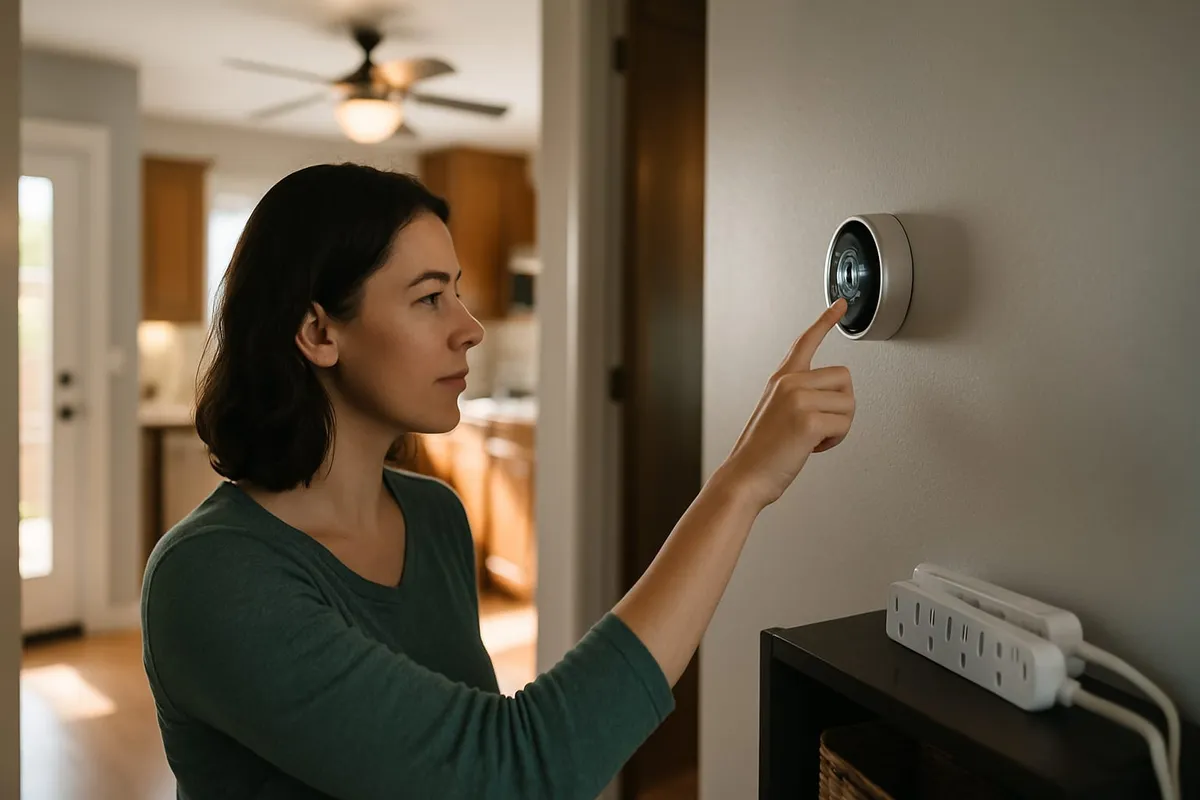
The average American household spends a significant amount on energy bills every year, with heating and cooling accounting for nearly half of that total. The good news is that you do not need expensive upgrades to see meaningful savings. Many of the most effective strategies cost nothing and can be implemented today.
These 20 tips are organized from the easiest (and cheapest) to the most impactful long-term investments. Combined, they can reduce your electric bill by 20 to 40 percent or more.
What You Will Need
Most of these tips require no special tools or purchases. A handful involve buying an inexpensive, widely available item:
- Programmable or smart thermostat (professionally installed, parts run $110–$375, plus labor at $100–$150/hour — a basic DIY model costs less at retail; these prices may vary case by case)
- LED bulbs
- Weather stripping and caulk
- Smart power strips
- Foam outlet insulation pads
Time estimate: 5 minutes to several hours depending on the tip Difficulty level: Mostly beginner
Free and Low-Cost Tips (No Investment Needed)
Tip 1: Adjust Your Thermostat
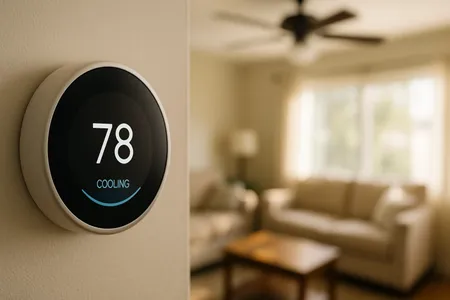
The Department of Energy states you can save approximately 10 percent per year on heating and cooling by setting your thermostat back 7 to 10 degrees for 8 hours per day. In summer, set it to 78 degrees when home and higher when away. In winter, set it to 68 degrees when home and lower when sleeping or away.
See our complete guide on best thermostat settings to save money.
Tip 2: Use Ceiling Fans Strategically
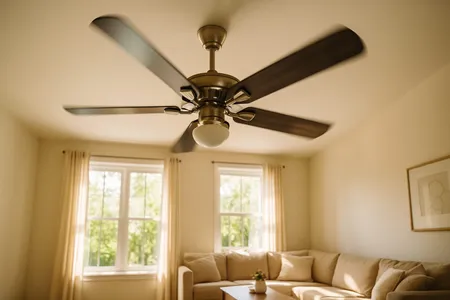
Ceiling fans make a room feel 4 to 6 degrees cooler through the wind chill effect, allowing you to raise the thermostat setting. In summer, set fans to spin counterclockwise. In winter, reverse them to clockwise on low speed to push warm air down from the ceiling. Always turn fans off when leaving the room; they cool people, not rooms.
Learn more in our guide on ceiling fan direction by season.
Tip 3: Run Appliances During Off-Peak Hours
Many utility companies charge higher rates during peak demand hours (typically 2 PM to 7 PM on weekdays). Run your dishwasher, laundry, and other high-draw appliances during off-peak hours to take advantage of lower rates. Check with your utility provider to see if you are on a time-of-use rate plan.
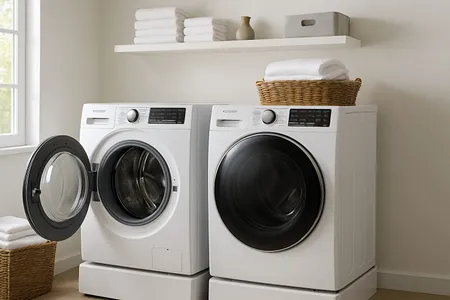
Tip 4: Wash Laundry in Cold Water
Approximately 90 percent of the energy used by a washing machine goes to heating the water. Switching from hot to cold water can meaningfully cut that cost for an average household. Modern detergents are formulated to clean effectively in cold water.
Tip 5: Air Dry Clothes When Possible
Using a clothesline or drying rack instead of the dryer cuts a real cost out of your energy bill, especially for a family doing several loads a week. At minimum, use the moisture sensor setting rather than timed drying to avoid running the dryer longer than necessary.
Tip 6: Clean the Dryer Lint Trap Every Load
A clogged lint trap forces your dryer to use more energy and take longer to dry clothes. Cleaning it before every load costs nothing and improves efficiency by 25 percent or more. Also clean the dryer vent twice a year. See our guide on how to clean a dryer vent.
Tip 7: Turn Off Lights When Leaving a Room
It sounds obvious, but the Department of Energy estimates that unnecessary lighting accounts for a measurable portion of home energy waste. Make it a household habit.
Tip 8: Unplug Phantom Loads
Many electronics consume power even when turned off, known as phantom or vampire load. Common culprits include phone chargers, game consoles, cable boxes, and computer monitors. The average home wastes real money every year on phantom loads. Use smart power strips that automatically cut power to devices in standby mode.
Tip 9: Lower Your Water Heater Temperature
Reduce your water heater to 120 degrees Fahrenheit (most are factory-set to 140 degrees). This saves 4 to 22 percent on water heating costs without any noticeable difference in comfort for most households.
Tip 10: Take Shorter Showers
Cutting just two minutes off each shower can save hundreds of gallons of hot water per year, which adds up in water-heating costs for a family of four.
Moderate Investment Tips
Tip 11: Install a Programmable or Smart Thermostat
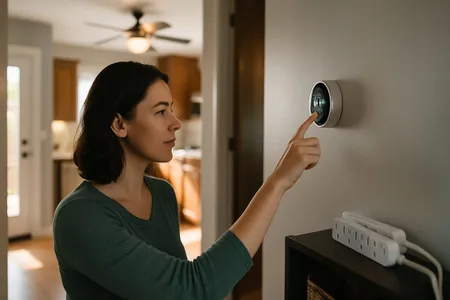
ENERGY STAR estimates that a smart thermostat saves about $50 per year on average, and some homeowners save significantly more. Smart thermostats learn your schedule and adjust automatically. Use our thermostat savings calculator to estimate your potential savings.
Tip 12: Switch to LED Lighting
LED bulbs use up to 90 percent less energy and last 15 times longer than incandescent bulbs. Replacing your five most-used light fixtures with LED bulbs saves approximately $40 per year according to ENERGY STAR. With LED bulbs inexpensive and widely available, the payback period is just a few months.
Tip 13: Seal Air Leaks
Gaps around windows, doors, electrical outlets, pipe penetrations, and the attic hatch allow conditioned air to escape and outdoor air to infiltrate. Common sealing materials include:
- Weather stripping for doors and operable windows
- Caulk for stationary cracks and gaps
- Foam gaskets behind outlet and switch plates on exterior walls
- Expanding foam for larger gaps around pipes and wires
The Department of Energy estimates that sealing air leaks can save 10 to 20 percent on heating and cooling costs.
Tip 14: Add Insulation to Your Attic
If your attic insulation is less than 10 to 14 inches deep (for fiberglass batts), adding more is one of the most cost-effective upgrades. The DOE recommends R-38 to R-60 for most regions. Adding attic insulation can reduce heating and cooling costs by 10 to 50 percent depending on your current insulation level. Blown-in insulation is one of the more cost-effective upgrades per square foot when professionally installed — ask for a quote based on your attic’s square footage.
Tip 15: Install Low-Flow Showerheads and Faucet Aerators
Low-flow showerheads (2.0 GPM or less) and faucet aerators reduce hot water consumption without noticeably affecting water pressure. They are inexpensive at any hardware store and pay for themselves quickly in lower water-heating costs.
Tip 16: Use Window Treatments Strategically
In summer, close blinds and curtains on south and west-facing windows during the hottest part of the day to block solar heat gain. In winter, open them to let sunlight in and close them at night to retain heat. Thermal or blackout curtains provide the best insulation value.
Larger Investment Tips
Tip 17: Change Your HVAC Air Filter on Schedule
A dirty filter forces your HVAC system to work harder, increasing energy consumption by 5 to 15 percent. Changing your filter every one to three months is inexpensive compared to the energy costs and system repairs it prevents. See our guide on how to change your furnace filter.
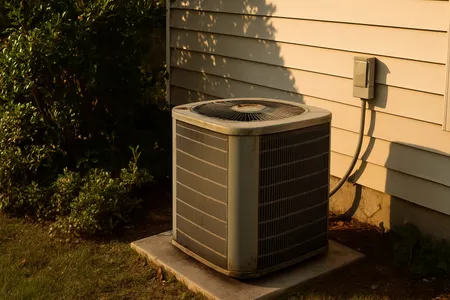
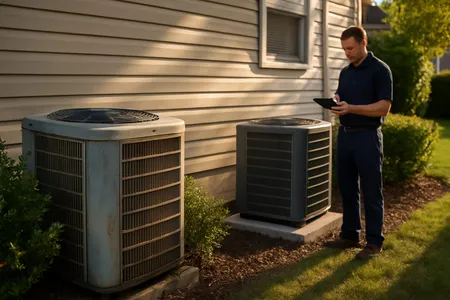
Tip 18: Schedule Annual HVAC Maintenance
A professional tune-up can reduce energy consumption by 5 to 15 percent while preventing costly breakdowns. Technicians clean coils, check refrigerant levels, calibrate the thermostat, inspect electrical connections, and verify proper airflow. Ask for current pricing when you schedule through our maintenance page.
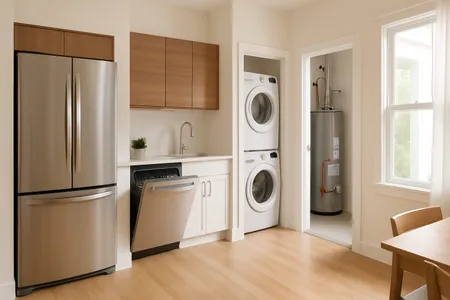
Tip 19: Upgrade to ENERGY STAR Appliances
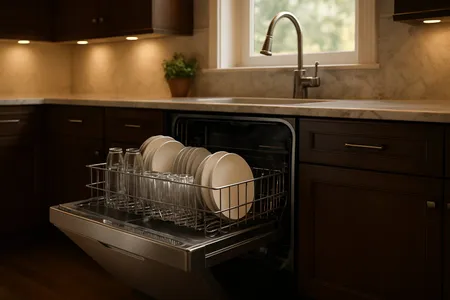
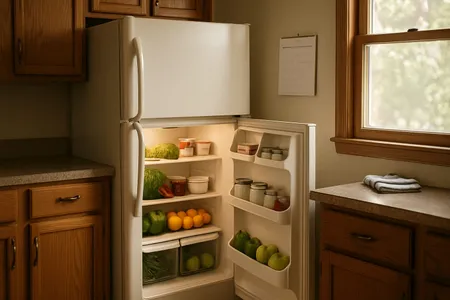
When it is time to replace aging appliances, choose ENERGY STAR certified models. Compared to standard models, ENERGY STAR refrigerators save $35 or more per year, washers save $45 per year on combined water and energy costs, and dishwashers save $12 per year on energy and $14 per year on water.
Tip 20: Consider a Home Energy Audit
A professional energy audit identifies the specific areas where your home is losing the most energy. Auditors use tools like blower door tests and infrared cameras to pinpoint air leaks, insulation gaps, and ductwork problems. Many utilities offer free or subsidized energy audits — ask the auditor for pricing if yours doesn’t. Check our energy savings tool for a quick self-assessment.
Safety Warnings
- Do not seal all ventilation in an effort to reduce air leaks. Homes need a minimum amount of fresh air exchange for health and to prevent moisture problems. Combustion appliances (gas furnaces, water heaters, stoves) need adequate air supply.
- Do not set your thermostat below 55 degrees in winter to prevent pipes from freezing.
- Hire a licensed electrician for any electrical work, including installing smart thermostats if new wiring is required.
When to Call a Professional
Most of these tips are DIY-friendly, but contact a professional for:
- HVAC system maintenance and tune-ups
- Attic insulation installation
- Comprehensive home energy audits
- Ductwork sealing and repair
- Electrical panel or wiring upgrades
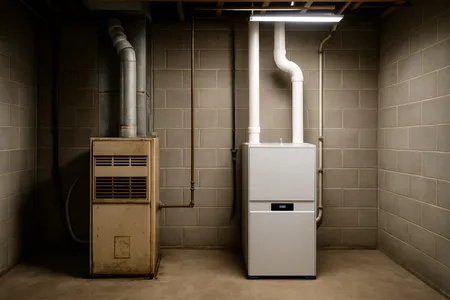
- HVAC system replacement when your current system is old or inefficient
How Much Can You Actually Save?
There’s no honest single number for “total savings” — it depends on your home’s size, climate, current efficiency, and energy rates. Two figures we can point to a named source for: ENERGY STAR credits a smart thermostat with about $50 a year in savings, and switching your five most-used fixtures to LED bulbs with about $40 a year (both above). Thermostat setbacks, sealing air leaks, adding attic insulation, HVAC maintenance, and lowering your water heater’s temperature all save real money too — a home energy audit is the way to find out how much for your specific house.
Frequently Asked Questions
What uses the most electricity in a home?
Heating and cooling account for approximately 47 percent of home energy use. Water heating is the second largest expense at about 14 percent, followed by appliances and electronics (13 percent), and lighting (12 percent).
Are solar panels worth it?
Solar panels can eliminate or dramatically reduce your electric bill. The average payback period is 6 to 10 years, after which you essentially have free electricity for the remaining 15 to 20 years of the panels’ lifespan. The federal 30% tax credit (Section 25D) that used to cover solar installation costs expired December 31, 2025 under OBBBA and no longer applies to systems installed in 2026 — see our HVAC Tax Credits and Rebates in 2026 guide for details.
Does turning the AC off when I leave save money?
Yes, but it depends on how long you are gone. For absences of four hours or more, raising the thermostat 7 to 10 degrees saves more energy than maintaining a constant temperature. A programmable thermostat automates this process.
How much does it cost to run a space heater?
A typical 1,500-watt space heater’s operating cost depends on your local electricity rate, but running one for 8 hours a day adds a meaningful amount to your monthly bill. Space heaters are only cost-effective for heating a single room while the rest of the home thermostat is turned down.
Next Steps
Put these savings into action with these tools and guides:
- See what your system costs to run — Use our Energy Cost Calculator to find out how much your current HVAC setup adds to your monthly bill and where the biggest savings opportunities are.
- Dial in your thermostat — Our guide on the best thermostat settings to save money breaks down the DOE-recommended temperatures for every season and scenario.
- Protect your savings with maintenance — A neglected system wastes 10 to 25 percent more energy. Read our HVAC maintenance cost guide to see what annual tune-ups cost and why they pay for themselves.
- Estimate savings from an upgrade — Our Energy Savings Calculator shows how much you could save by replacing an older, less efficient system.
- Ready to talk? — Contact us for a free evaluation.
Want professional help reducing your energy costs? In Central Texas, Texas Temp Masters offers energy audits, HVAC tune-ups, and system upgrades that pay for themselves in lower energy bills. Call (817) 704-0706 or visit our contact page to get started.