Winterizing your home is not just for homeowners in northern climates. Even in regions with mild winters, a single hard freeze can burst pipes, damage HVAC systems, and lead to thousands of dollars in repairs. The 2021 Texas winter storm proved that every homeowner needs a winterization plan, regardless of location.
This complete checklist covers every area of your home, from the heating system to the plumbing, insulation, and exterior. Most tasks take just a few minutes and cost little or nothing.
What You Will Need
- Pipe insulation sleeves or heat tape
- Outdoor faucet covers
- Caulk and caulk gun
- Weather stripping
- Furnace filter
- Flashlight
- Ladder (for gutter and attic inspection)
Time estimate: 2 to 4 hours for the complete checklist Difficulty level: Easy to moderate (most tasks are beginner-friendly)
Heating System Checklist
1. Schedule a Professional Heating System Inspection
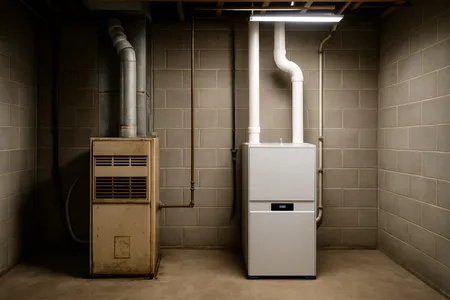
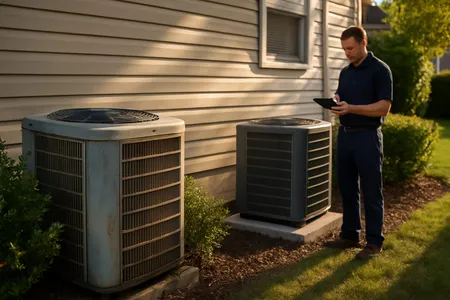
Have a licensed HVAC technician inspect and tune up your furnace, heat pump, or heating system before the cold season begins. A professional tune-up includes:
- Inspecting the heat exchanger for cracks (critical safety check for gas furnaces)
- Testing safety controls and limit switches
- Checking the ignition system and gas valve
- Measuring airflow and temperature rise
- Inspecting the flue and venting system
- Lubricating moving parts
- Verifying thermostat calibration
Schedule your tune-up in early fall to avoid the rush. Visit our maintenance page to book service.
2. Replace the Furnace Filter
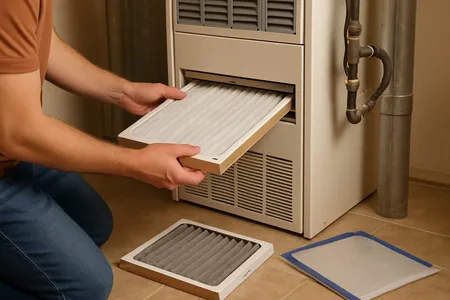
Install a fresh filter before the heating season starts, and check it monthly throughout winter. A clean filter improves airflow, efficiency, and indoor air quality. See our furnace filter guide for step-by-step instructions.
3. Test Your Heating System
Turn on your heater early in the season, before you actually need it. Run it for 30 minutes and check for:
- Unusual odors (a brief burning smell is normal on the first use as dust burns off)
- Strange noises
- Uneven heating throughout the home
- The system cycling on and off properly
4. Check Carbon Monoxide Detectors
Test every CO detector in your home and replace batteries. If you do not have carbon monoxide detectors, install them on every level and near sleeping areas. This is essential for homes with gas furnaces, water heaters, or fireplaces.
5. Reverse Ceiling Fan Direction
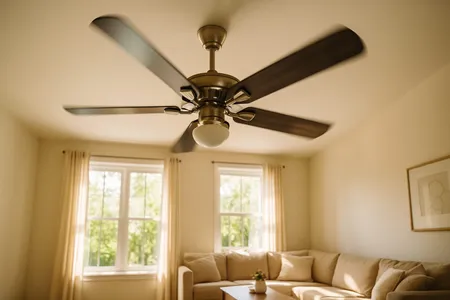
Set ceiling fans to run clockwise on low speed during winter. This creates an updraft that pushes warm air down from the ceiling without creating a cooling breeze. This simple step can reduce heating costs by up to 10 percent. See our guide on ceiling fan direction.
Plumbing and Pipe Protection
6. Insulate Exposed Pipes
Pipes in unheated areas such as basements, crawl spaces, garages, attics, and exterior walls are vulnerable to freezing. Pipes can start freezing when outdoor temperatures drop to around 20 degrees Fahrenheit, especially if they are uninsulated.
- Foam pipe sleeves are inexpensive and easy to install. Simply cut to length and snap them around the pipe.
- Heat tape or heat cable wraps around pipes and provides active warmth. This is recommended for pipes with a history of freezing.
- Pay special attention to pipes near exterior walls, in crawl spaces, and in uninsulated garages.
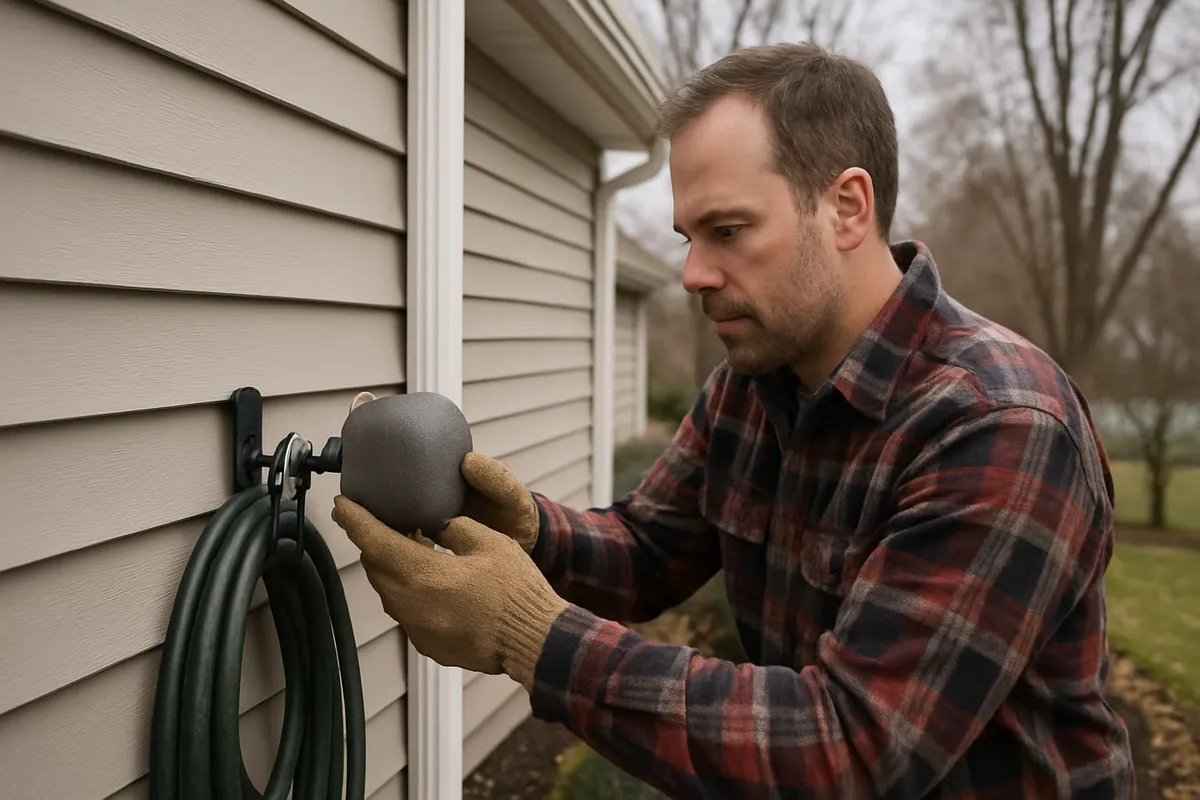
7. Shut Off Outdoor Water Lines
- Locate the shut-off valve for outdoor faucets (usually in the basement or crawl space).
- Turn off the water supply to exterior faucets.
- Open the outdoor faucets to drain any remaining water.
- Disconnect and drain garden hoses. Store them indoors.
- Install insulated faucet covers on all exterior hose bibs.
8. Drain Sprinkler Systems
If you have an irrigation system, have it professionally blown out with compressed air before the first freeze. Residual water in sprinkler lines and heads can freeze and crack the piping, leading to expensive repairs in spring.
9. Know Your Emergency Shut-Off Locations
Make sure everyone in the household knows where to find and how to operate:
- The main water shut-off valve
- The gas shut-off valve (if applicable)
- The electrical panel
In a pipe-bursting emergency, quickly shutting off the main water supply can prevent thousands of dollars in water damage.
10. During Freezing Weather: Let Faucets Drip
When temperatures drop below 20 degrees Fahrenheit, let faucets supplied by exposed pipes drip slightly. Even a slow trickle keeps water moving and reduces the chance of freezing. Open cabinet doors under sinks on exterior walls to let warmer room air reach the pipes.
Insulation and Air Sealing
11. Seal Gaps and Cracks
Walk around the exterior and interior of your home looking for gaps and cracks that allow cold air in:
- Around windows and doors: Apply new caulk or weather stripping where old material has cracked, pulled away, or deteriorated.
- Around pipe and wire penetrations: Seal gaps where plumbing pipes, electrical wires, and cables enter the home.
- At the foundation: Seal cracks in the foundation with hydraulic cement or caulk.
- Around the attic hatch: Add weather stripping to the attic access panel.
The Department of Energy estimates air sealing can save 10 to 20 percent on heating costs.
12. Check Attic Insulation
If your attic has less than 10 to 14 inches of fiberglass batt insulation, or less than 8 to 10 inches of blown-in insulation, consider adding more. The recommended R-value for most regions is R-38 to R-60. Proper attic insulation is one of the most cost-effective ways to reduce heating bills.
13. Insulate the Water Heater
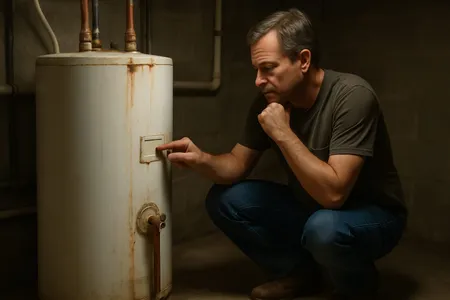
If your water heater tank feels warm to the touch, it is losing heat. A water heater insulation blanket is an inexpensive fix that can reduce standby heat loss by 25 to 45 percent. Also insulate the first 6 feet of hot and cold water pipes at the water heater.
Exterior Checklist
14. Clean Gutters and Downspouts
Remove leaves, debris, and dirt from all gutters and downspouts. Clogged gutters cause water to back up, potentially forming ice dams that damage the roof, fascia, and soffit. Ensure downspouts direct water at least 4 to 6 feet away from the foundation.
15. Inspect the Roof
Look for missing, damaged, or curling shingles. Check flashing around chimneys, vents, and skylights. Address any issues before winter weather makes them worse. Even a small leak can cause significant water damage when ice and snow melt.
16. Prepare the Fireplace and Chimney
If you have a wood-burning fireplace:
- Have the chimney inspected and cleaned by a certified chimney sweep.
- Check the damper to ensure it opens and closes fully.
- Stock seasoned firewood (dried at least 6 months) and store it at least 20 feet from the home.
- Keep the damper closed when the fireplace is not in use to prevent warm air from escaping.
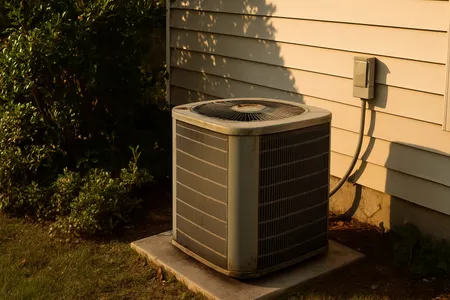
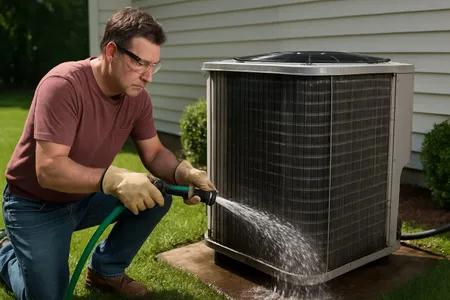
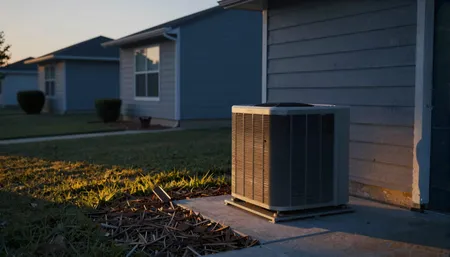
17. Protect Outdoor HVAC Equipment
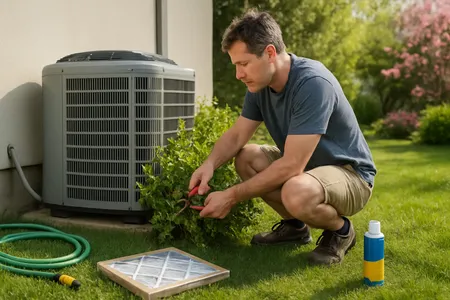
- Remove leaves and debris from around the outdoor AC condenser or heat pump unit.
- Do not fully cover the unit, as this traps moisture and promotes corrosion. A piece of plywood on top secured with a weight provides adequate protection from falling debris.
- If you have a heat pump, keep it completely clear since it operates year-round.
Indoor Checklist
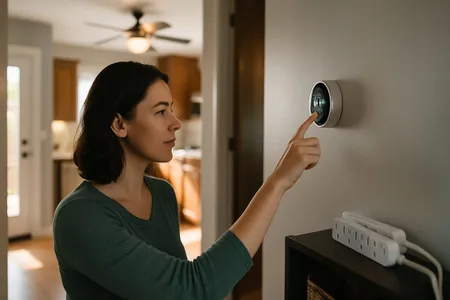
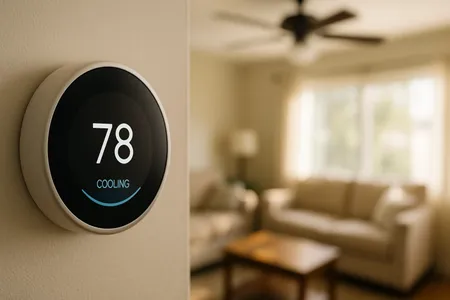
18. Set the Thermostat for Efficiency
Program your thermostat to 68 degrees when you are home and awake, and 60 to 65 degrees when sleeping or away. Never set the thermostat below 55 degrees, even when you are on vacation, to prevent pipes from freezing. See our guide on optimal thermostat settings.
19. Run the Humidifier
Winter air is dry, and heated air is even drier. Low humidity (below 30 percent) causes dry skin, irritated sinuses, static electricity, and can even damage wood floors and furniture. Use a whole-home or portable humidifier to maintain 30 to 50 percent relative humidity.
20. Prepare an Emergency Kit
In the event of a power outage during a winter storm, have the following available:
- Flashlights and extra batteries
- Battery-powered or hand-crank radio
- Blankets and warm clothing
- Non-perishable food and bottled water (3-day supply)
- Portable phone charger
- First aid kit
- Prescription medications
Safety Warnings
- Never use a gas oven or stovetop to heat your home. This produces carbon monoxide and is a fire and poisoning hazard.
- Never run a generator indoors or in an attached garage. Carbon monoxide from generators is lethal.
- Use space heaters with caution. Keep them at least 3 feet from anything flammable, never leave them unattended, and plug them directly into wall outlets, never extension cords.
- Do not close more than 20 percent of your home’s vents. Closing too many vents creates pressure imbalances that can damage your HVAC system.
When to Call a Professional
Handle the basic checklist items yourself, but call a professional for:
- Heating system inspection and tune-up
- Attic insulation installation
- Ductwork inspection and sealing
- Chimney cleaning and inspection
- Sprinkler system winterization (blowout)
- Electrical panel inspection or generator hookup
Frequently Asked Questions
When should I winterize my home?
Start winterizing in early to mid-fall, at least two to four weeks before the first expected freeze. This gives you time to schedule professional service and address any issues without urgency.
How much does it cost to winterize a home?
Basic DIY winterization (pipe insulation, faucet covers, weather stripping, filters) is low-cost. Adding professional services like a furnace tune-up, chimney cleaning, and sprinkler blowout adds more — ask each provider for a written quote. Either way, it’s a modest investment next to the potential cost of freeze damage.
Should I drip all my faucets during a freeze?
Only faucets served by pipes that run through unheated areas or along exterior walls need to drip. Interior pipes surrounded by heated space are generally safe. When in doubt, it costs very little in water to let a faucet drip as insurance.
At what temperature should I worry about pipes freezing?
Pipes can begin to freeze when outdoor temperatures stay at or below 20 degrees Fahrenheit for extended periods. Uninsulated pipes in unconditioned spaces are most vulnerable. Wind chill can accelerate freezing even at slightly higher temperatures.
Need your heating system inspected before winter? In Central Texas, Texas Temp Masters provides comprehensive heating system tune-ups, safety inspections, and emergency repair service. Call (817) 704-0706 or visit our maintenance page to schedule your winter preparation appointment.
Next Steps
With your home winterized, use these resources to stay on top of seasonal maintenance and heating readiness:
- Track every task in one place — Our Maintenance Checklist helps you stay organized with seasonal reminders for your HVAC, plumbing, and more.
- Optimize your thermostat settings — Use our Thermostat Savings Calculator to see how much you can save by adjusting your winter temperature schedule.
- Go deeper on HVAC prep — Read our winter HVAC maintenance checklist for Texas for heating-system-specific steps beyond the basics covered here.
- Know when your furnace needs attention — If your heater will not start on the first cold night, our furnace not turning on troubleshooting guide walks you through every possible cause.
- Ready to talk? — Contact us for a free evaluation of your home’s winter readiness.