Regular HVAC maintenance is one of the smartest investments a homeowner can make. A well-maintained system lasts longer, runs more efficiently, and breaks down less often. But how much should you actually expect to pay for maintenance in 2026?
Quick Answer: HVAC Maintenance Costs
A single tune-up visit costs less than a bundled annual plan — but a plan usually covers two visits (one for heating, one for cooling) plus perks like priority scheduling and repair discounts, which can make it the better value over a full year. Ask for a written quote for either option; these prices may vary case by case.
What a Tune-Up Covers
One-Time Service Visit
Cost varies by system type — a heat pump or boiler tune-up typically takes more time than a standard AC or furnace visit, and a combined heating-plus-cooling check costs more than either alone. Ask for a written quote for your specific equipment.
What Is Included in a Standard Tune-Up
A professional HVAC tune-up should include:
AC/Cooling Tune-Up:
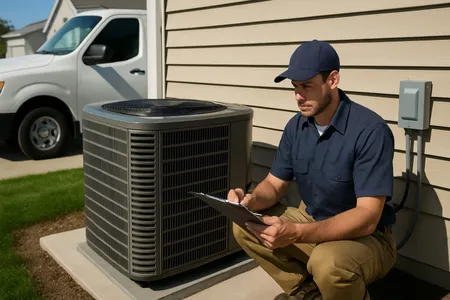
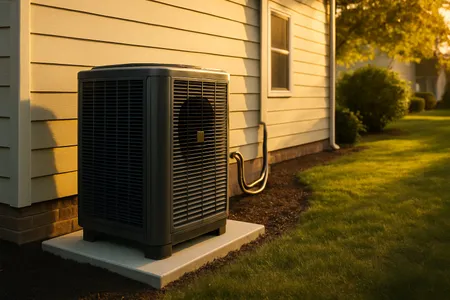
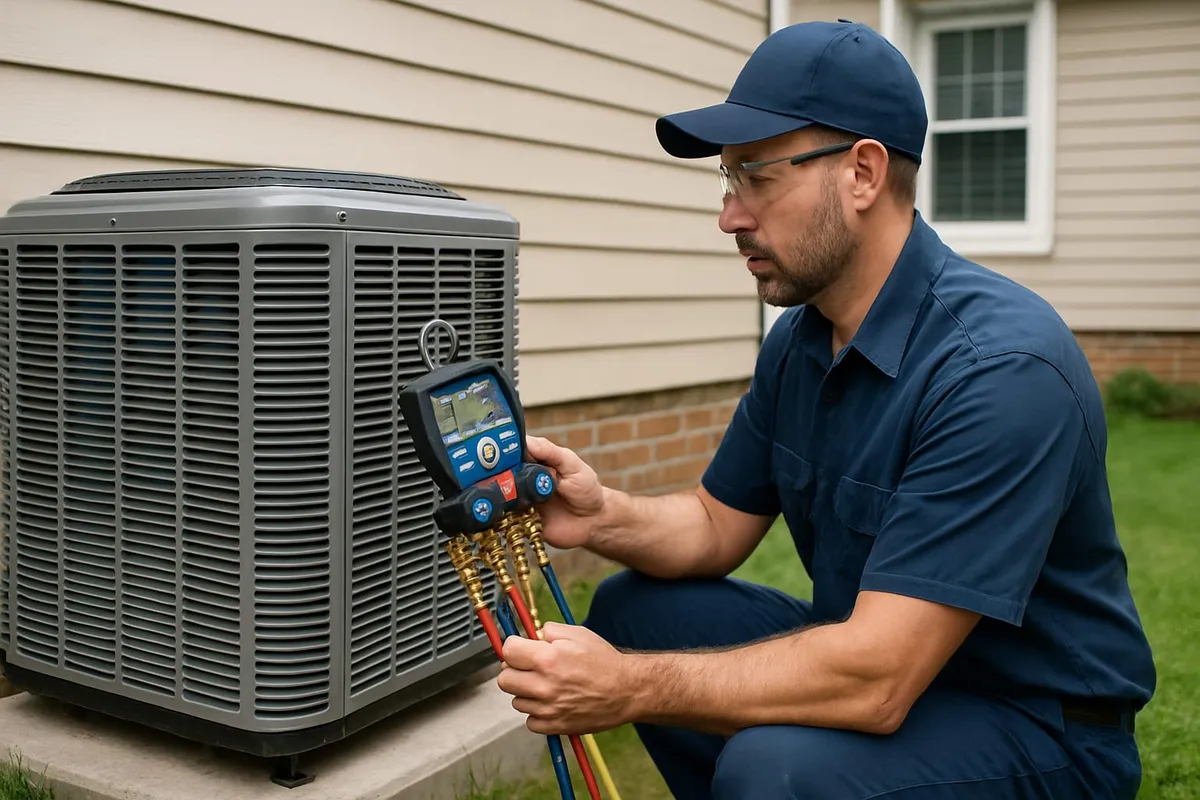
- Inspect and clean condenser coils
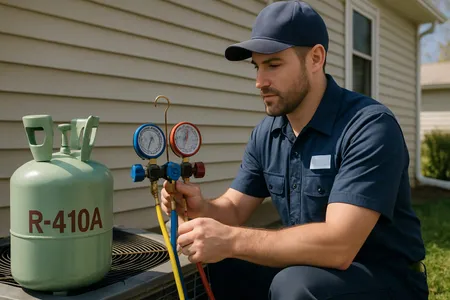
- Check refrigerant levels and pressures
- Test capacitors and contactors
- Lubricate moving parts
- Inspect electrical connections and tighten terminals
- Clean or replace air filter
- Test thermostat calibration
- Check condensate drain line
- Measure airflow and temperature differential
- Inspect ductwork for visible issues
Furnace/Heating Tune-Up:
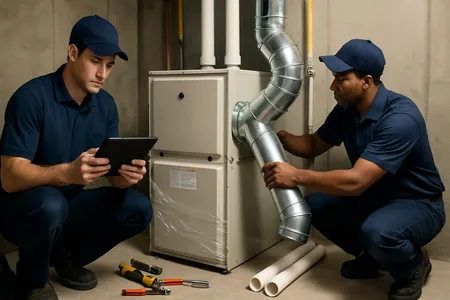
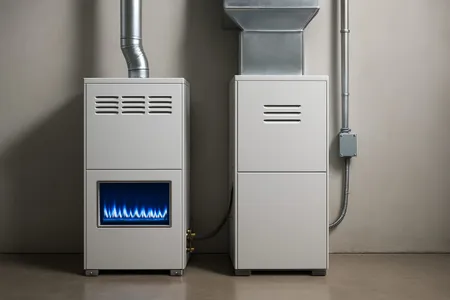
- Inspect heat exchanger for cracks (critical safety check)
- Test ignition system and safety controls
- Clean and adjust burners
- Check gas pressure and connections
- Inspect flue and venting
- Lubricate blower motor and bearings
- Test thermostat operation
- Replace air filter
- Check carbon monoxide levels
- Inspect electrical connections
Annual Maintenance Plan Costs
How Plans Are Typically Structured
Maintenance plans across the industry are usually tiered — a basic plan covering the two seasonal tune-ups, and higher tiers adding more frequent filter changes, repair discounts, waived diagnostic fees, priority scheduling, or extended parts warranty coverage. Which features matter depends on your system and how often you tend to need repairs. See our own maintenance plans for what Texas Temp Masters includes and a written price.
Are Maintenance Plans Worth It?
Do the math: Compare the cost of two individual tune-up visits against a bundled annual plan. A plan that includes filters and a repair discount often provides better value, especially if you need even one repair during the year.
The real value is in the repair discounts and priority service. A single avoided emergency repair can save the cost of years of maintenance plan payments.
Cost Factors That Affect Maintenance Pricing
1. System Type
Heat pumps require two tune-ups per year (one heating, one cooling) and cost slightly more per visit because they operate year-round and have more components to check. A mini-split system is priced per zone, so a multi-zone home costs more to maintain than a single central system.
2. System Age
Older systems often need more attention during tune-ups. Technicians may spend extra time on aging components, and the likelihood of finding issues that need attention is higher.
3. System Condition
A well-maintained system takes less time to tune up than a neglected one. If your system has not been serviced in several years, the first tune-up may take longer and cost more due to the additional cleaning and inspection needed.
4. Company Type
- Large national companies: more overhead, but consistent service standards
- Local HVAC contractors: often better value, more personalized service
- Utility company programs: sometimes subsidized
5. Additional Services
Add-on services like a duct inspection, an indoor air quality test, UV light service, humidifier or dehumidifier service, and duct sealing are priced separately from a standard tune-up. Ask your technician for a written quote for anything beyond the base visit.
DIY vs. Professional Maintenance
What You Can Do Yourself (Free to Minimal Cost)
These tasks do not require a professional and keep your system running between tune-ups:
- Change the air filter: Every 1-3 months (an inexpensive part available at any hardware store)
- Clear debris from outdoor unit: Trim vegetation 2+ feet back, remove leaves and grass clippings
- Clean supply and return vents: Vacuum or wipe down regularly
- Check thermostat batteries: Replace annually
- Keep vents open and unblocked: No furniture or curtains over registers
- Monitor your system: Note unusual sounds, odors, or performance changes
- Clear the condensate drain line: Flush with vinegar every few months
What Requires a Professional
- Refrigerant level checks and adjustments
- Electrical component testing (capacitors, contactors)
- Heat exchanger inspection (critical safety check)
- Gas pressure and combustion testing
- Comprehensive airflow measurements
- Duct leak testing
- Any repair involving refrigerant or electrical components
Cost Comparison
DIY filter changes alone catch only part of what a system needs; a professional tune-up alone misses the day-to-day upkeep DIY covers. Combining both — regular filter changes plus a scheduled professional visit — covers the most ground.
How to Save Money on HVAC Maintenance
- Get a maintenance plan: Annual plans are typically 15% to 30% cheaper than individual service calls
- Schedule early: Book spring and fall tune-ups well in advance for the best pricing
- Bundle services: Some companies discount tune-ups when combined with duct cleaning or other services
- Change your own filters: it’s one less thing on the technician’s invoice, and simple enough for most homeowners to handle
- Ask about new customer specials: many companies offer a discount on a first visit — worth asking about when you call
- Check utility programs: Some utilities offer discounted or free maintenance programs
- Keep your system clean: Basic DIY maintenance between visits reduces the work needed during professional tune-ups
The Real Cost of Skipping Maintenance
Neglecting HVAC maintenance does not save money. It costs more in the long run — through reduced efficiency (10-25% higher bills), a shortened equipment lifespan, larger preventable repairs, a possibly voided manufacturer warranty, and a pricier emergency call when something finally fails.
Compare that against the cost of routine maintenance, and the decision is usually clear.
When to Schedule HVAC Maintenance
| Season | Service | Why |
|---|---|---|
| Spring (March-April) | AC tune-up | Prepare for cooling season |
| Fall (September-October) | Heating tune-up | Prepare for heating season |
| Year-Round | Filter changes | Every 1-3 months |
Scheduling during these transition periods ensures your system is ready for peak demand and gives technicians time to address any issues before they become urgent.
Frequently Asked Questions
How often should HVAC be maintained?
Professional maintenance should be performed twice per year: once in spring for the cooling system and once in fall for the heating system. Heat pump owners should have both tune-ups since the system handles heating and cooling. Between visits, change your filter every 1 to 3 months.
Is an HVAC maintenance plan worth it?
Yes, for most homeowners. A maintenance plan typically costs less than two individual tune-ups and includes benefits like repair discounts (10% to 20%), priority scheduling, waived diagnostic fees, and filter replacements. Even one prevented repair can pay for years of plan costs.
What happens if I skip HVAC maintenance?
Your system will gradually lose efficiency (up to 5% per year of neglected maintenance), have a higher risk of breakdowns, experience a shorter lifespan, and may void your manufacturer’s warranty. Most warranties require annual professional maintenance.
Can maintenance prevent AC breakdowns?
Annual maintenance catches approximately 80% of potential issues before they cause system failure. Technicians identify worn parts, low refrigerant, dirty coils, and electrical issues during routine inspections. This does not eliminate all breakdowns, but it dramatically reduces the risk.
What is the difference between a tune-up and an inspection?
A tune-up includes both inspection and active maintenance (cleaning, lubricating, adjusting). An inspection is observation-only and typically costs less than a full tune-up. For optimal performance, you want a full tune-up, not just an inspection.
Next Steps
Make the most of your maintenance investment with these tools and guides:
- Build your own maintenance schedule — Our free Maintenance Checklist gives you a personalized month-by-month plan with progress tracking so nothing falls through the cracks.
- Check your system’s age — Enter your serial number into our HVAC Age Decoder to find out how old your equipment is and whether it is approaching the end of its expected lifespan.
- Decide repair vs. replacement — If a tune-up uncovers a costly issue, our Repair or Replace Calculator weighs age, repair cost, and efficiency to help you make the right call.
- Follow the Texas-specific calendar — Generic maintenance advice does not account for cedar pollen and 8-month cooling seasons. Our Central Texas HVAC maintenance calendar tells you exactly what to do each month.
- Improve your air quality — Maintenance is only half the picture. Our duct cleaning cost guide explains when duct cleaning is worth it and what to expect to pay.
- Want the full picture? — Our Central Texas Homeowner’s HVAC Guide is the complete Central Texas homeowner’s guide, from symptoms through system choice.
- Ready to talk? — Contact us for a free evaluation.
In Central Texas? Texas Temp Masters performs thorough 20+ point tune-up inspections with experienced, licensed technicians and no hidden fees. Call (817) 704-0706 to schedule your tune-up and get a written price.