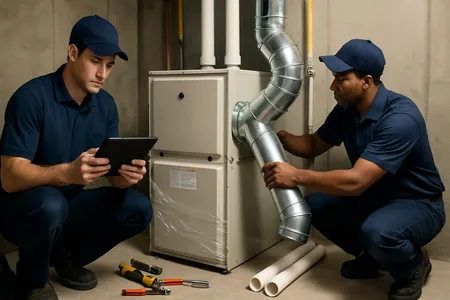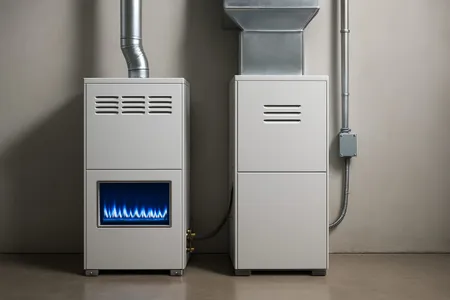
Replacing your entire HVAC system is one of the biggest home improvement investments you will make. Understanding the real costs involved helps you budget properly and avoid overpaying.
Quick Answer: What Does a New HVAC System Cost?
| Cost Category | Price Range |
|---|---|
| National Average | $10,000 - $14,000 |
| Typical Range | $5,000 - $16,000 |
| High-End Systems | $16,000 - $25,000+ |
| Budget Systems | $4,500 - $8,000 |
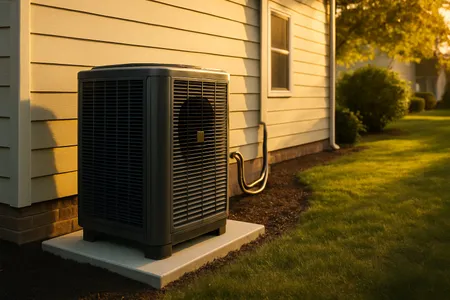
Most homeowners spend between $10,000 and $14,000 for a complete HVAC system replacement in 2026, including a new air conditioner and furnace with installation. The final price depends on your home size, system type, efficiency rating, and local labor costs.
Cost Breakdown by System Type
Not all HVAC systems are created equal. Here is what you can expect to pay based on the type of system you choose.
Central Air Conditioner + Gas Furnace (Most Common)
| Component | Equipment Cost | Installed Cost |
|---|---|---|
| Standard Efficiency (14-16 SEER2) | $3,000 - $5,500 | $7,000 - $11,000 |
| Mid-Range Efficiency (17-19 SEER2) | $4,500 - $7,000 | $10,000 - $15,000 |
| High Efficiency (20+ SEER2) | $6,000 - $10,000 | $13,000 - $20,000 |
Heat Pump System (Heating + Cooling)
| Component | Equipment Cost | Installed Cost |
|---|---|---|
| Standard Heat Pump | $3,500 - $5,500 | $8,000 - $13,000 |
| High-Efficiency Heat Pump | $5,000 - $8,000 | $12,000 - $18,000 |
| Dual-Fuel (Heat Pump + Furnace) | $6,000 - $10,000 | $14,000 - $25,000 |
Ductless Mini-Split System
| Configuration | Equipment Cost | Installed Cost |
|---|---|---|
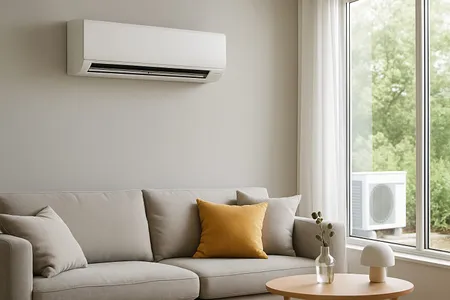
| Single Zone | $1,500 - $3,000 | $2,500 - $5,000 |
| Multi-Zone (2-4 zones) | $3,000 - $8,000 | $5,000 - $15,000 |
| Whole-Home (5+ zones) | $7,000 - $12,000 | $12,000 - $20,000+ |
Cost by Home Size
Your home’s square footage is one of the biggest factors in determining system size and cost.
| Home Size | System Size (Tons) | Typical Cost Range |
|---|---|---|
| 1,000 - 1,200 sq ft | 1.5 - 2 tons | $5,000 - $9,000 |
| 1,200 - 1,500 sq ft | 2 - 2.5 tons | $6,000 - $11,000 |
| 1,500 - 2,000 sq ft | 2.5 - 3 tons | $8,000 - $14,000 |
| 2,000 - 2,500 sq ft | 3 - 3.5 tons | $10,000 - $16,000 |
| 2,500 - 3,000 sq ft | 3.5 - 4 tons | $12,000 - $18,000 |
| 3,000 - 3,500 sq ft | 4 - 5 tons | $14,000 - $22,000 |
These ranges assume standard installation with existing ductwork in good condition. Add $2,000 to $6,000 if ductwork needs significant repair or replacement.
8 Factors That Affect Your HVAC Cost
1. System Size and Capacity
An undersized system will struggle to keep your home comfortable, while an oversized one will short-cycle and waste energy. A proper Manual J load calculation ensures you get the right size. Expect to pay $100 to $400 for this assessment, though many contractors include it with their quote.
2. Energy Efficiency Rating
Higher SEER2 ratings mean lower monthly utility bills but higher upfront costs. A jump from 14 SEER2 to 20 SEER2 can add $3,000 to $5,000 to your purchase price, but could save $200 to $500 per year on energy bills.
3. Ductwork Condition
If your ducts are old, leaky, or improperly sized, you may need modifications or a complete replacement. New ductwork costs $2,000 to $6,000 for a typical home, and up to $10,000 to $18,000 for a complete duct installation in a home that has never had central air.
4. Brand Selection
Premium brands like Trane, Carrier, and Lennox tend to cost 15% to 30% more than mid-range brands like Rheem, Goodman, or York. However, they often come with longer warranties and better build quality.
5. Installation Complexity
Multi-story homes, difficult attic or crawl space access, and system relocations all add to labor costs. Expect a 10% to 25% premium for challenging installations.
6. Refrigerant Type
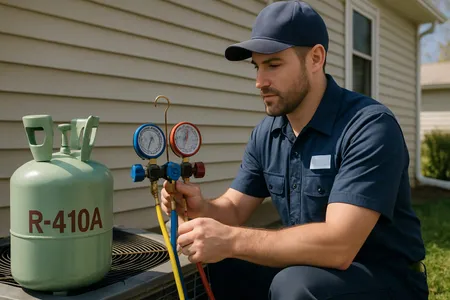
As of 2025, new AC systems must use low-GWP refrigerants like R-454B instead of R-410A. Systems with the newer refrigerants may cost slightly more initially, but R-410A equipment that was manufactured before the cutoff is becoming harder to find.
7. Additional Components
Air purifiers, humidifiers, dehumidifiers, UV lights, and smart thermostats can add $300 to $3,000 to your total project cost.
8. Local Labor Rates
HVAC labor rates vary significantly by region. Metropolitan areas typically charge 20% to 40% more than rural communities. Installation labor generally costs $2,000 to $6,000 of the total project.
Cost by Region and Climate Zone
Your location affects both equipment needs and labor rates.
| Region | Typical Cost Range | Notes |
|---|---|---|
| Southeast | $8,000 - $14,000 | Higher cooling demands; AC is priority |
| Northeast | $10,000 - $18,000 | High heating needs; often need robust furnaces |
| Midwest | $8,000 - $15,000 | Extreme temperature swings; dual-fuel popular |
| Southwest | $7,000 - $13,000 | Intense cooling focus; dry heat considerations |
| Pacific Northwest | $9,000 - $16,000 | Heat pumps increasingly popular |
| Mountain States | $9,000 - $15,000 | Altitude affects system sizing |
DIY vs. Professional Installation
Can You Install an HVAC System Yourself?
Technically, you could purchase equipment and attempt an installation, but this is strongly discouraged for several reasons:
- Licensing requirements: Most states require a licensed HVAC technician and EPA certification for refrigerant handling
- Warranty voidance: Nearly all manufacturers require professional installation for the warranty to be valid
- Safety risks: Improper gas furnace installation can create carbon monoxide hazards
- Code compliance: Permits and inspections are required in most jurisdictions
- Sizing errors: Incorrect system sizing leads to poor performance, higher bills, and premature failure
What You Can Do to Save
While full DIY installation is not recommended, you can reduce costs by:
- Purchasing the equipment yourself and hiring a contractor for installation only (savings of 10% to 20%)
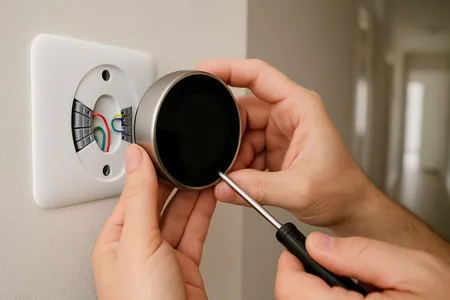
- Handling simple tasks like thermostat wiring or removing the old outdoor unit
- Insulating accessible ductwork yourself
How to Save Money on a New HVAC System
1. Get Multiple Quotes
Always get at least three written quotes from licensed contractors. Prices can vary by 30% or more for the same equipment and scope of work.
2. Take Advantage of Tax Credits and Rebates
- Federal tax credits: The federal 25C tax credit that used to offer up to $2,000 for qualifying heat pump installations expired December 31, 2025 under OBBBA. See our 2026 HVAC Tax Credits and Rebates guide for what’s still available.
- Utility rebates: Many utility companies offer $200 to $1,500 in rebates for high-efficiency systems
- State incentives: Various state programs offer additional rebates and financing options
3. Consider Off-Season Installation
Scheduling your installation during spring or fall (the HVAC industry’s slow season) can sometimes save 10% to 15% on labor costs.
4. Bundle the Replacement
If both your AC and furnace are aging, replacing them together is often cheaper than doing them separately. You can save $1,000 to $2,500 by bundling.
5. Explore Financing Options
Many HVAC companies offer 0% financing for 12 to 60 months. This allows you to spread the cost without paying interest, though you should always read the fine print.
6. Do Not Over-Buy Efficiency
A 20+ SEER2 system makes sense in hot climates where AC runs heavily, but the payback period in cooler climates may exceed the system’s lifespan.
When to Repair vs. Replace Your HVAC System
Consider replacement when:
- Age: Your system is 15+ years old (or 10+ years for heat pumps that run year-round)
- Repair frequency: You have needed major repairs more than twice in the last two years
- Repair cost: The repair exceeds 50% of a new system’s cost
- Efficiency drop: Your energy bills have steadily increased despite maintenance
- R-22 refrigerant: Your system uses R-22 (Freon), which has been phased out and is extremely expensive to recharge
- Comfort issues: Uneven temperatures, excessive humidity, or poor air quality persist despite repairs
Use our Repair or Replace Calculator to help make this decision, or try the Cost Estimator to see what a new system might cost for your home.
Frequently Asked Questions
How long does a new HVAC system last?
A well-maintained central AC typically lasts 15 to 20 years, a gas furnace 15 to 20 years, and a heat pump 12 to 15 years. Regular annual maintenance can extend your system’s life by several years.
Is it cheaper to replace the AC and furnace at the same time?
Yes. Bundling both replacements in one project typically saves $1,000 to $2,500 compared to doing them separately, since the contractor is already on-site and can ensure both components are properly matched.
What SEER2 rating should I look for?
For moderate climates, 15 to 16 SEER2 provides good value. For hot climates where AC runs 6+ months a year, 17 to 20 SEER2 offers better long-term savings. Systems above 20 SEER2 provide diminishing returns unless you have exceptionally high cooling needs.
Does a new HVAC system increase home value?
A new HVAC system can increase home value by $2,500 to $5,000 and is frequently cited by real estate agents as one of the top factors that helps homes sell faster.
How long does HVAC installation take?
A straightforward replacement typically takes one day (6 to 10 hours). If new ductwork is needed or the system type is being changed (for example, switching from a furnace to a heat pump), expect 2 to 3 days.
Next Steps
Now that you understand what a new HVAC system costs, use these resources to narrow down the right option for your home:
- Size your system correctly — Our BTU Calculator determines the right tonnage for your home’s square footage, insulation, and climate zone.
- See how much you will save on energy — The Energy Savings Calculator shows the monthly and annual savings of upgrading from your current system to a higher-efficiency unit.
- Offset the cost with incentives — The federal tax credit expired December 31, 2025, but state and utility rebates can still help. Read our HVAC Tax Credits and Rebates in 2026 guide for the full breakdown of what’s still available.
- Understand the refrigerant transition — New systems use different refrigerants than older units, which affects pricing and long-term service costs. Our R-410A Phase-Out Guide explains what is changing and why it matters.
- Compare brands before you buy — Our guide to the Best HVAC Brands for Texas ranks manufacturers by reliability, efficiency, and warranty for Central Texas conditions.
- Want the full picture? — Our Central Texas Homeowner’s HVAC Guide is the complete Central Texas homeowner’s guide, from symptoms through system choice.
- Ready to talk? — Contact us for a free in-home evaluation and upfront pricing.
In Central Texas? Texas Temp Masters can help you choose the right HVAC system for your home and budget. We offer free in-home consultations with transparent, upfront pricing. Call (817) 704-0706 for a free estimate, or visit our Air Conditioning and Furnace pages to learn more about the systems we install.