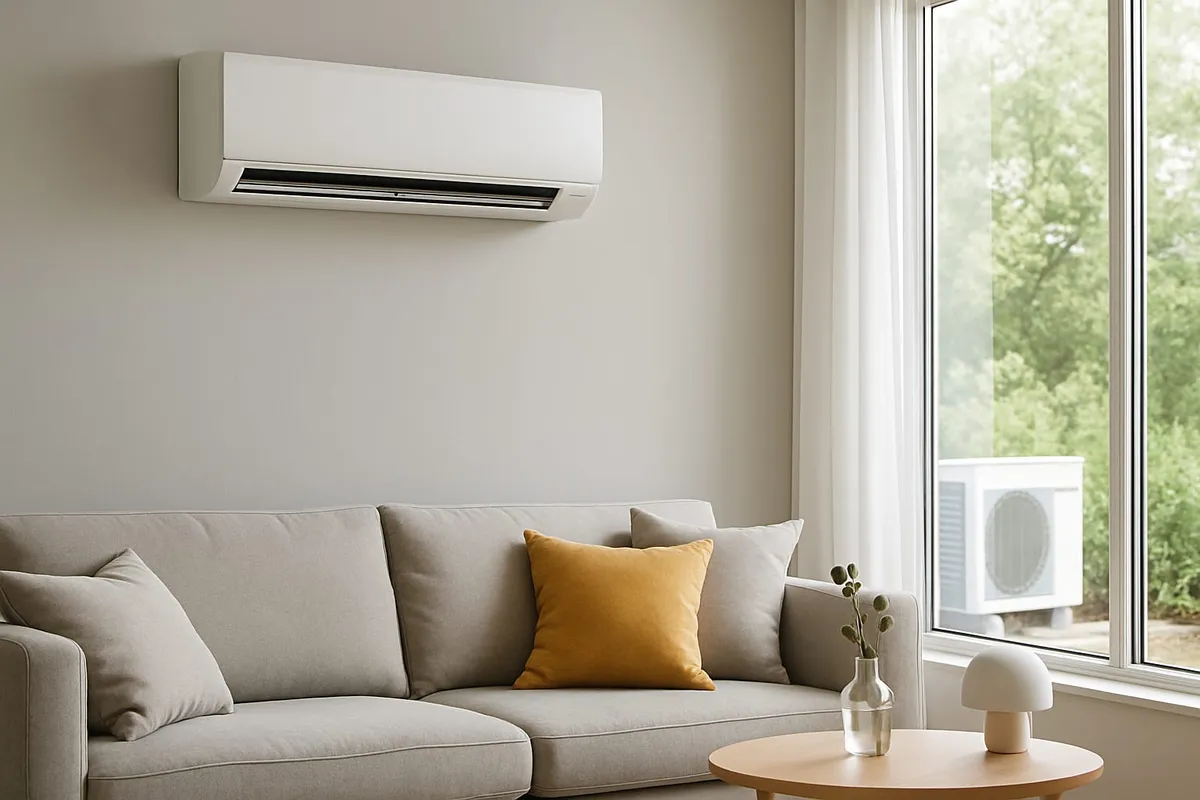
Ductless mini-split systems offer flexible, efficient heating and cooling without the need for traditional ductwork. Whether you are adding comfort to a specific room, converting a garage, or outfitting an entire home, here is exactly what mini-split installation costs in 2026.
What Drives Mini Split Cost
A single-zone system for one room costs the least; multi-zone systems that cover several rooms or a whole home cost more, since each additional indoor unit and its installation add to the total. The exact number for your home depends on the number of zones, system capacity, brand, and installation complexity — see the factors below, then request a written quote to compare options.
Mini Split Cost by Number of Zones
Each “zone” is an independently controlled indoor unit connected to an outdoor compressor.
| Zones | BTU Range | Coverage Area |
|---|---|---|
| 1 zone | 9,000 - 18,000 | 300 - 900 sq ft |
| 2 zones | 18,000 - 24,000 | 600 - 1,500 sq ft |
| 3 zones | 24,000 - 36,000 | 1,000 - 2,500 sq ft |
| 4 zones | 36,000 - 48,000 | 1,500 - 3,000 sq ft |
| 5+ zones | 48,000+ | 2,500+ sq ft |
Cost rises with each additional zone, though multi-zone systems share a single outdoor unit, so the per-zone cost tends to decrease as you add more.
Cost by Indoor Unit Type
Mini-split indoor units come in several mounting styles, each with different cost implications.
| Indoor Unit Type | Best For |
|---|---|
| Wall-mounted | Most rooms, easiest install |
| Floor-mounted | Rooms with limited wall space |
| Ceiling cassette | Rooms where aesthetics matter |
| Concealed duct | Hidden installation, multiple rooms |
Wall-mounted units are the most common and least expensive option. Ceiling cassettes sit flush with the ceiling for a more discreet look but require ceiling access and additional labor.
Mini Split Cost by Brand
| Brand | Tier | Notable Features |
|---|---|---|
| MrCool | Budget | DIY-friendly models available |
| Pioneer | Budget | Good value for basic needs |
| LG | Mid-Range | Reliable, good efficiency |
| Samsung | Mid-Range | Wind-free cooling technology |
| Carrier | Premium | Wide dealer network |
| Daikin | Premium | Industry-leading efficiency |
| Mitsubishi | Premium | Best cold-climate performance |
| Fujitsu | Premium | Compact design, quiet operation |
Factors That Affect Mini Split Cost
1. Number of Zones
Each additional indoor unit adds meaningfully to the total cost, depending on the unit type and installation complexity. However, multi-zone systems share a single outdoor unit, so the per-zone cost decreases as you add zones.
2. System Capacity (BTUs)
Larger capacity systems cost more. A 9,000 BTU unit for a small bedroom costs far less than a 24,000 BTU unit for a large living space.
| Room Size | Recommended BTU |
|---|---|
| 150 - 300 sq ft | 9,000 BTU |
| 300 - 500 sq ft | 12,000 BTU |
| 500 - 700 sq ft | 18,000 BTU |
| 700 - 1,000 sq ft | 24,000 BTU |
| 1,000+ sq ft | 36,000 BTU |
3. Efficiency Rating (SEER2)
Higher-efficiency models cost more upfront but use less electricity. Mini splits range from 15 SEER2 to 35+ SEER2, with the most efficient models costing 30% to 50% more than standard models.
4. Installation Complexity
| Factor | Effect on Cost |
|---|---|
| Standard installation (single-story, exterior wall) | Baseline |
| Second or third floor installation | Adds cost |
| Long refrigerant line runs (50+ feet) | Adds cost |
| Electrical panel upgrade needed | Adds cost, can be significant |
| Interior wall installation (concealed line hide) | Adds modest cost |
| Concrete or brick exterior (line set penetration) | Adds modest cost |
5. Cold-Climate Features
If you need reliable heating in temperatures below 0 degrees Fahrenheit, cold-climate mini-split models (like Mitsubishi Hyper-Heat) cost 15% to 30% more than standard models but maintain heating output at extreme temperatures.
6. Labor Rates
Installation labor cost varies by system size and region, with metropolitan areas typically charging more. Ask your installer for a labor-only line item in the written quote.
DIY vs. Professional Mini Split Installation
Mini splits are one of the few HVAC systems where DIY installation is somewhat viable, thanks to brands like MrCool that offer pre-charged line sets.
DIY Installation
| Aspect | Details |
|---|---|
| Tools needed | Drill, level, hole saw, vacuum pump |
| Skill level | Intermediate to advanced |
| Time required | 6 - 12 hours |
| Savings | You pay for the equipment only, not installation labor or a contractor’s margin |
DIY pros: Meaningful cost savings, flexible scheduling
DIY cons: No warranty support from most brands, risk of improper installation reducing efficiency or causing leaks, no refrigerant handling ability for non-pre-charged systems, potential code compliance issues
Professional Installation
| Aspect | Details |
|---|---|
| Time required | 4 - 8 hours |
| Warranty | Full manufacturer warranty honored |
| Permits | Contractor handles permits and inspections |
Professional pros: Warranty coverage, proper sizing, code compliance, correct refrigerant charging, reliable operation
Professional cons: Higher upfront cost, scheduling required
Our Recommendation
For most homeowners, professional installation is the better value. The warranty protection alone is worth the additional cost, and improper installation is the number one cause of mini-split performance issues.
How to Save Money on Mini Split Installation
- Compare at least three quotes: Pricing varies dramatically between installers
- Consider the off-season: Spring and fall installations may be 5% to 15% cheaper
- Check for rebates: Many utility companies offer rebates for heat pump mini splits — check with your utility for current amounts
- Federal tax credits: The federal 25C credit of up to $2,000 for qualifying heat pump mini splits expired December 31, 2025 — see our 2026 tax credits guide for what’s still available
- Start with fewer zones: Install the most critical zones first and expand later (most outdoor units support adding zones)
- Choose wall-mounted units: They are the least expensive to install
- Prepare the installation area: Clear access to installation locations saves labor time
When Is a Mini Split the Right Choice?
Best Use Cases
- Homes without ductwork: Older homes, converted spaces, or new additions
- Supplemental cooling/heating: Rooms that the central system cannot reach
- Garage or workshop: Standalone climate control
- Bonus rooms and sunrooms: Spaces not connected to central ductwork
- Server rooms or home offices: Precise temperature control
- Zoned comfort: Different temperatures in different rooms
When Central Air May Be Better
- Whole-home cooling in a house with existing ductwork: Central systems are more cost-effective
- Aesthetic preferences: Some homeowners dislike wall-mounted units
- Very large homes: Multiple outdoor units may be needed, reducing the cost advantage
For a complete comparison, read our guide on Central AC vs Mini Split.
Frequently Asked Questions
How long does mini split installation take?
A single-zone installation takes 4 to 8 hours. Each additional zone adds 2 to 4 hours. A 4-zone system typically takes 1 to 2 days.
How long do mini splits last?
With proper maintenance, mini splits last 15 to 20 years. Annual professional maintenance is recommended to keep the system running efficiently. See our HVAC Maintenance Cost guide.
Do mini splits increase home value?
Mini splits can add value, especially in homes without central HVAC. They are viewed positively for energy efficiency and zoned comfort. However, central air typically adds more resale value in markets where buyers expect it.
Are mini splits more efficient than central AC?
Yes. Mini splits achieve SEER2 ratings up to 35+, compared to central AC systems at 14 to 26 SEER2. They also eliminate duct losses, which waste 20% to 30% of energy in typical duct systems. Use our Energy Savings Calculator to estimate the difference.
How loud are mini splits?
Indoor units operate at 19 to 40 dB, comparable to a whisper or a quiet library. Outdoor units run at 50 to 60 dB, similar to a normal conversation.
In Central Texas? Texas Temp Masters installs ductless mini-split systems for homes, garages, workshops, and additions. We will help you design the perfect system for your space. Call (817) 704-0706 for a free consultation, or visit our Air Conditioning page to explore your options.
Next Steps
Make sure you size, price, and compare your mini-split options before committing:
- Calculate the right capacity — Use our BTU Calculator to determine exactly how many BTUs each zone needs so you avoid overspending on oversized equipment.
- Project your operating costs — The Energy Cost Calculator shows monthly and annual running costs at different SEER2 levels so you can weigh upfront savings against long-term efficiency.
- Compare mini splits to central AC — Our Central AC vs Mini Split guide helps you decide if ductless is truly the right fit or if a ducted system makes more sense for your home.
- See which brands perform best in Texas — The Best HVAC Brands for Texas guide ranks manufacturers by reliability and value, including top mini-split brands like Daikin and Mitsubishi.
- Understand heat pump pricing — If you are considering a ducted heat pump instead, our Heat Pump Cost guide covers full installation and operating costs.
- Ready to talk? — Contact us for a free evaluation.